
There is no reliable recipe that makes an AI system cite a page. Retrieval and answer systems differ, their behaviour changes, and inclusion is outside a site owner’s control. The work you can control is making information accessible, clear, accurate and connected to evidence.
Key takeaways
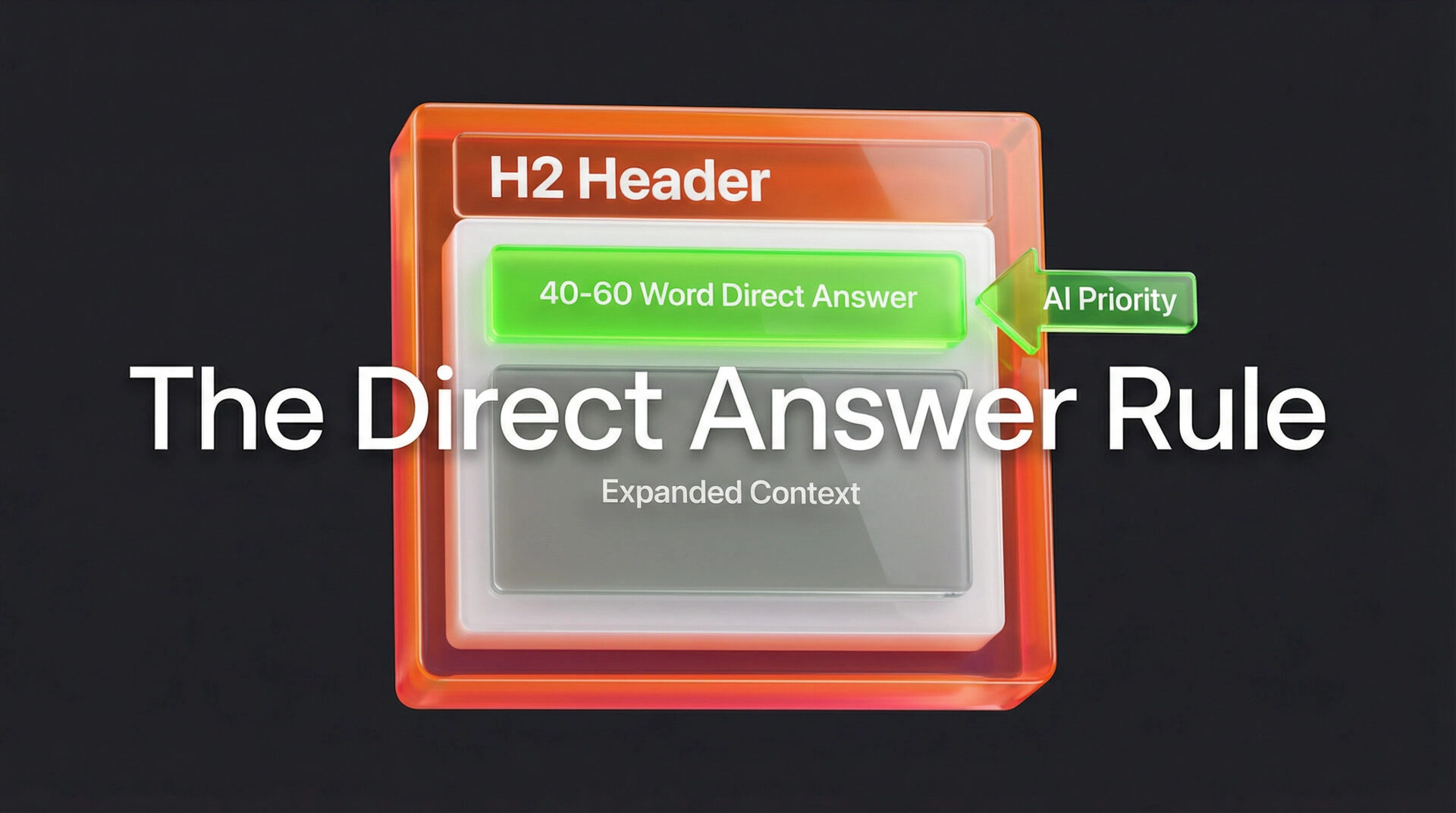

- Publish the answer in visible, accessible page content.
- Keep important facts, names and relationships consistent across the site.
- Treat structured data and crawler files as supporting details, not citation guarantees.
Make pages clear to people first
Use a descriptive title, headings that reflect the actual topic and paragraphs that explain one idea at a time. Put important information in HTML text rather than only in an image or an interaction that cannot be reached. Add examples, original evidence and a clear date when freshness matters.
Explain who is responsible for the information and how a reader can verify an important claim. Link to primary sources where appropriate. Avoid repetitive keyword blocks, invented expertise and multiple pages that make the same point with only a place name changed.

Make the site technically accessible
Allow crawling of content and assets that should be public. Check the rendered page, status code, canonical URL, internal links and mobile experience. Important pages should be reachable through normal navigation and not depend only on an external feed.

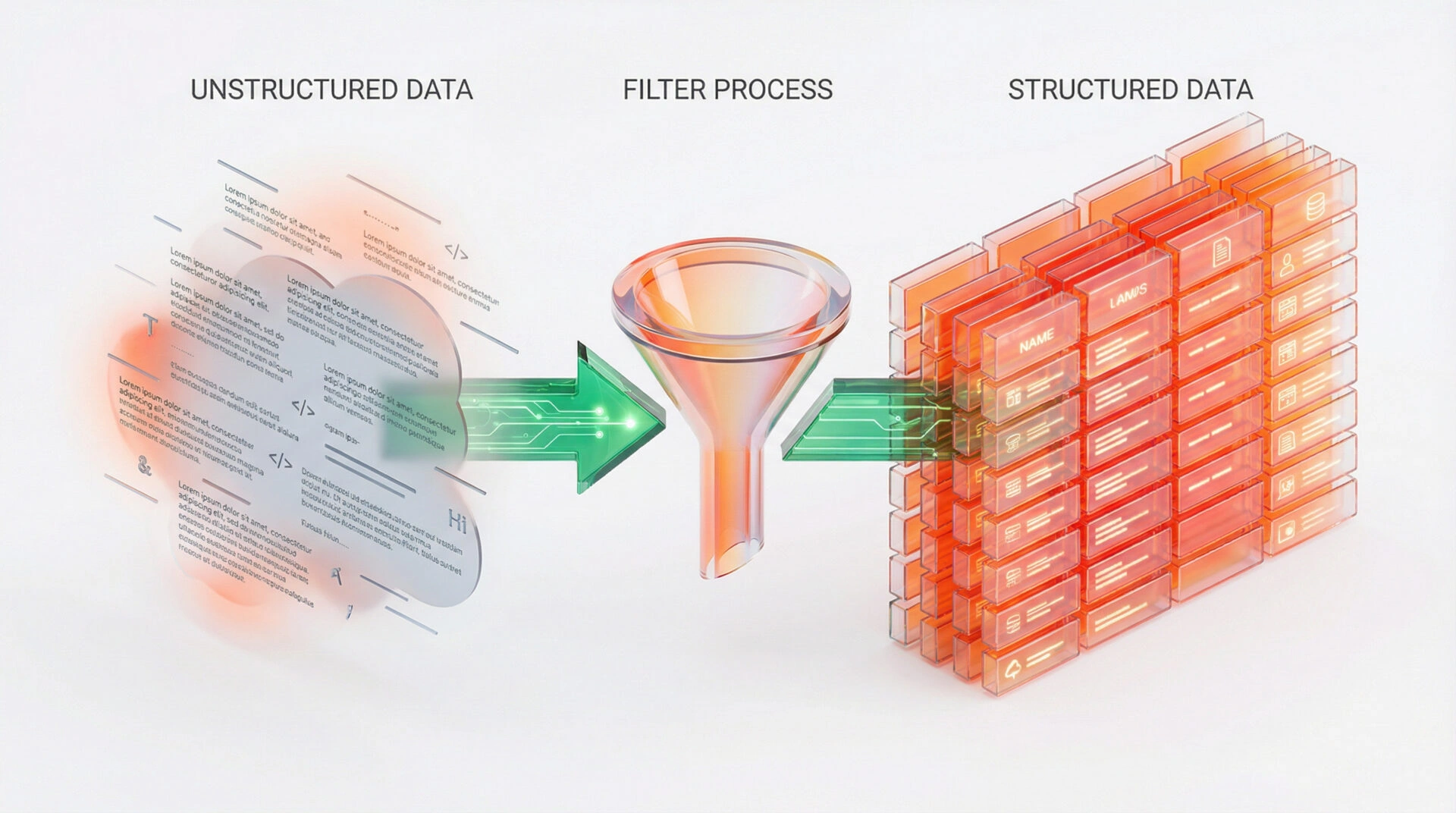
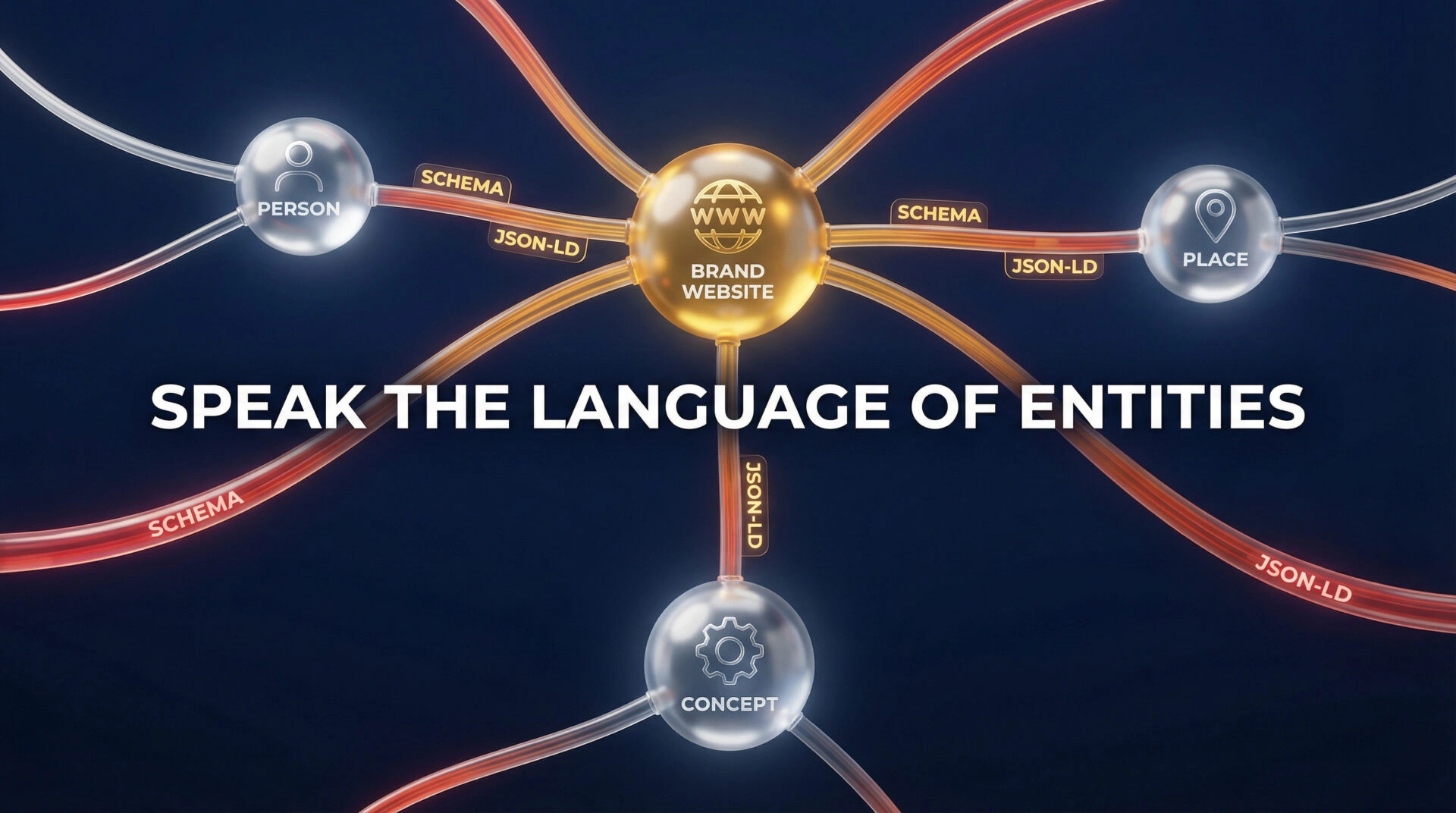
Structured data can describe visible facts and relationships in a machine-readable form. Keep it accurate and consistent with page content. Google says its AI Search features need no special schema and do not require an llms.txt file. A crawler policy file also does not grant permission, force a citation or replace access controls.
Measure what can be observed
Use Search Console, analytics, server logs and referral data where available. Record qualified visits and enquiries alongside technical health. Data may not reveal every use of a page by an external AI system, so do not present incomplete citation tracking as total visibility.
Improve pages when evidence shows a reader need or a technical problem. Do not restructure every article into short answer blocks merely to target speculative extraction patterns. Google’s AI features guidance says standard SEO best practices remain relevant and indexing or display is not guaranteed.
Common questions
Should I add llms.txt?
Only if you have a clear operational reason for a specific system that reads it. It is not a Google Search requirement and does not control general crawler access.
Should I add more schema to get cited?
No. Use supported structured data when it accurately describes visible page content. It does not guarantee an AI citation.
What matters most?
Useful information, technical access, trustworthy evidence and a site structure that makes important pages easy to find.