Healthcare technical SEO is not a collection of isolated fixes. Clinics, dental groups and medical aesthetics providers need crawlable service information, accurate clinical review, strong local signals and controlled data handling. The website must help patients find the right service without turning regulated health information into exaggerated marketing.
Key Takeaways:
- Build technical SEO around patient processes, locations and accountable clinical review.
- Keep health claims accurate, current and supported by appropriate evidence.
- Treat privacy, accessibility and site governance as part of search performance.
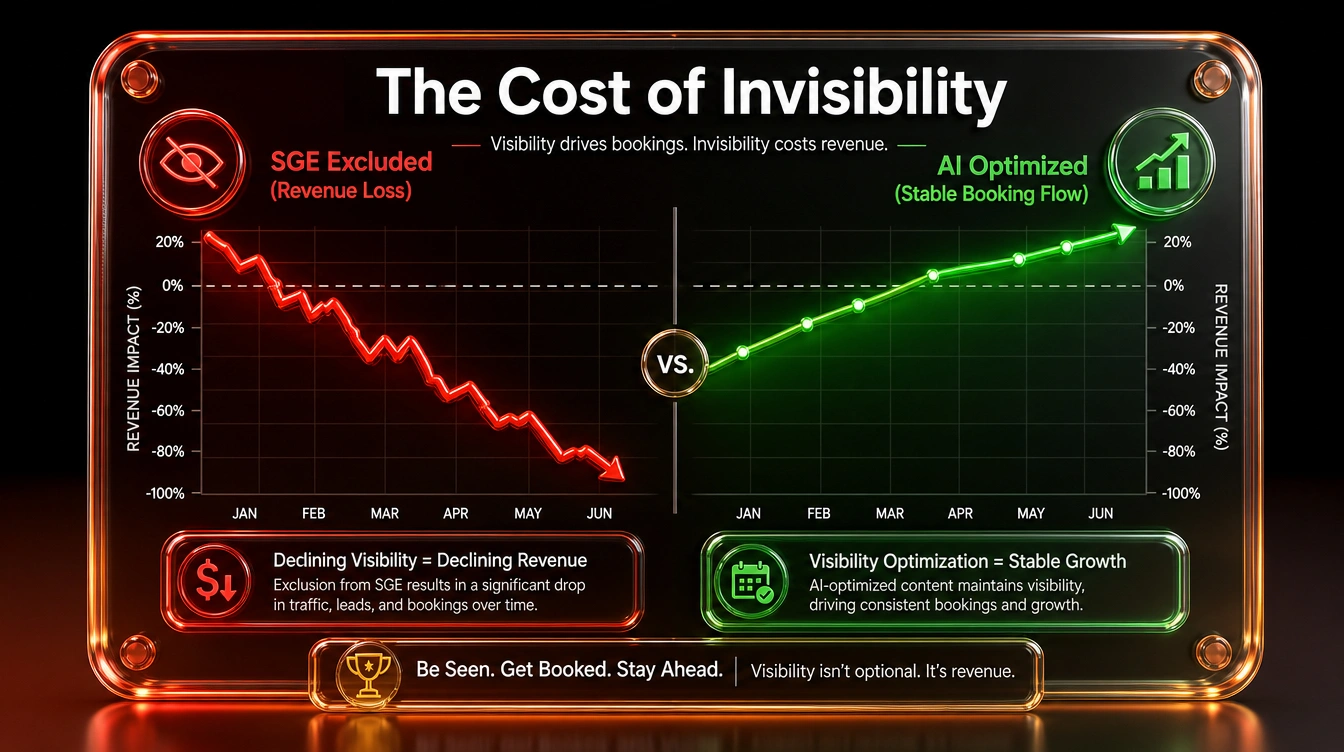
Why Medical Brands Are Bleeding Visibility in the SGE Era
Healthcare buyers conduct deep research. Patients considering a significant procedure often review several sources before booking a consultation. Historically, this favoured content-heavy sites. The economics have inverted.
AI overviews now consume the top of the SERP. They extract answers from sites with clean schema graphs, semantic HTML and verifiable authorship. Sites built on bloated page builders, inline styles and unstructured WYSIWYG content are invisible to crawlers like GPTBot and Google-Extended.
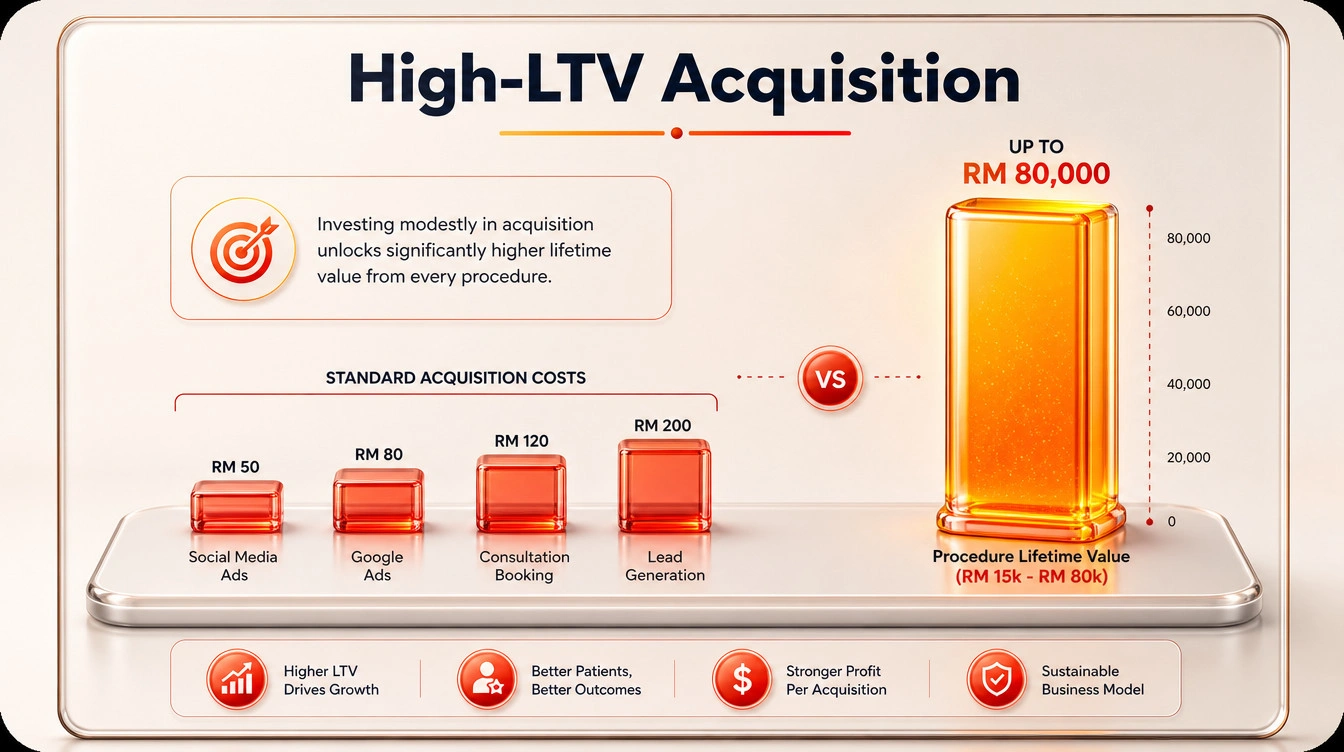
The financial consequence is direct. The lifetime value of some aesthetic patient relationships can be high. Losing the top three SGE citations translates into material annual revenue loss. This is a board-level risk, as we have documented in our SGE rollout analysis.
The Regulatory Layer: Why Healthcare Demands Government-Grade Architecture
Medical advertising in Malaysia falls under the Medicine Advertisement Board (Lembaga Iklan Ubat) and the Private Healthcare Facilities and Services Act 1998. Dental practices answer to the Malaysian Dental Council. Aesthetic clinics navigate both Ministry of Health guidelines and MDA aesthetic medical practice frameworks.
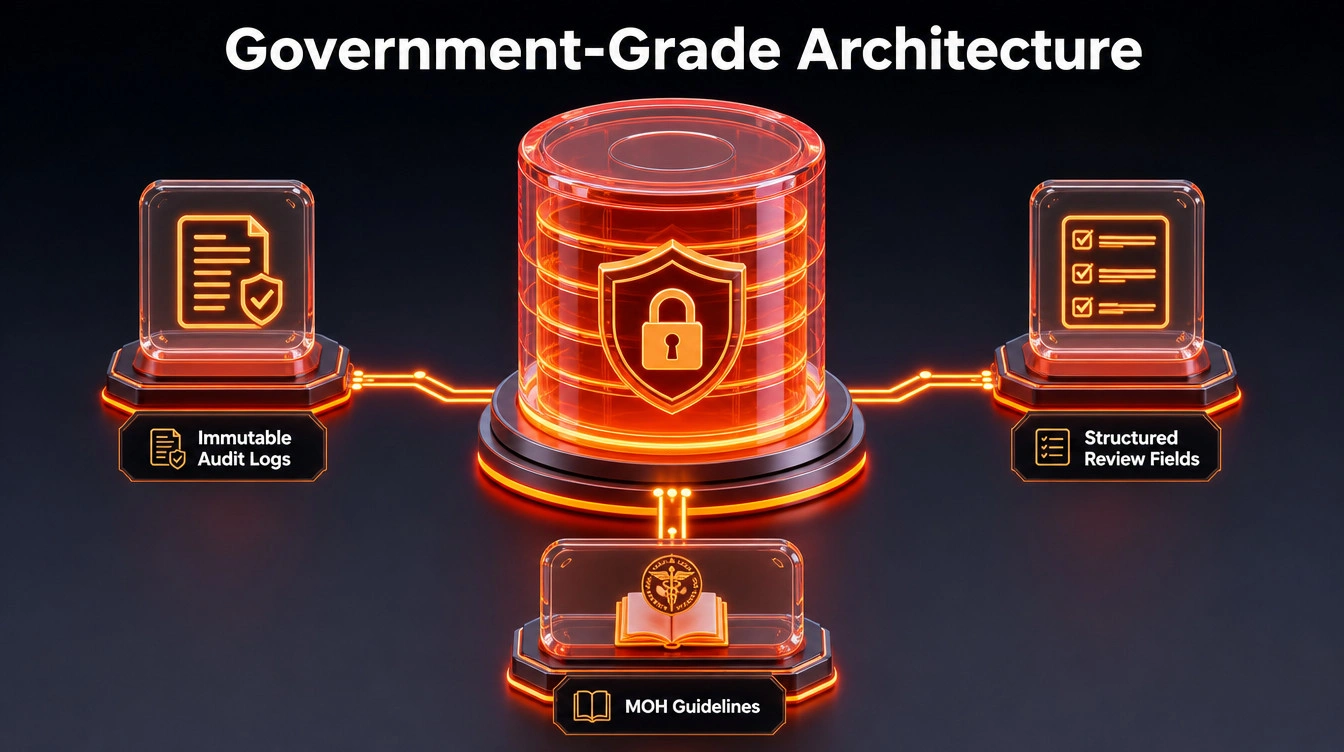
This creates an important requirement: architecture designed to meet financial and government-level requirements. Healthcare architecture must embed strict compliance workflows. Every piece of published content must rigorously comply with KKLIU and MMC guidelines, meaning clinical outcome testimonials and before-and-after promotional images are completely excluded in favour of compliant, educational medical content.
Authorship and E-E-A-T for Medical Content
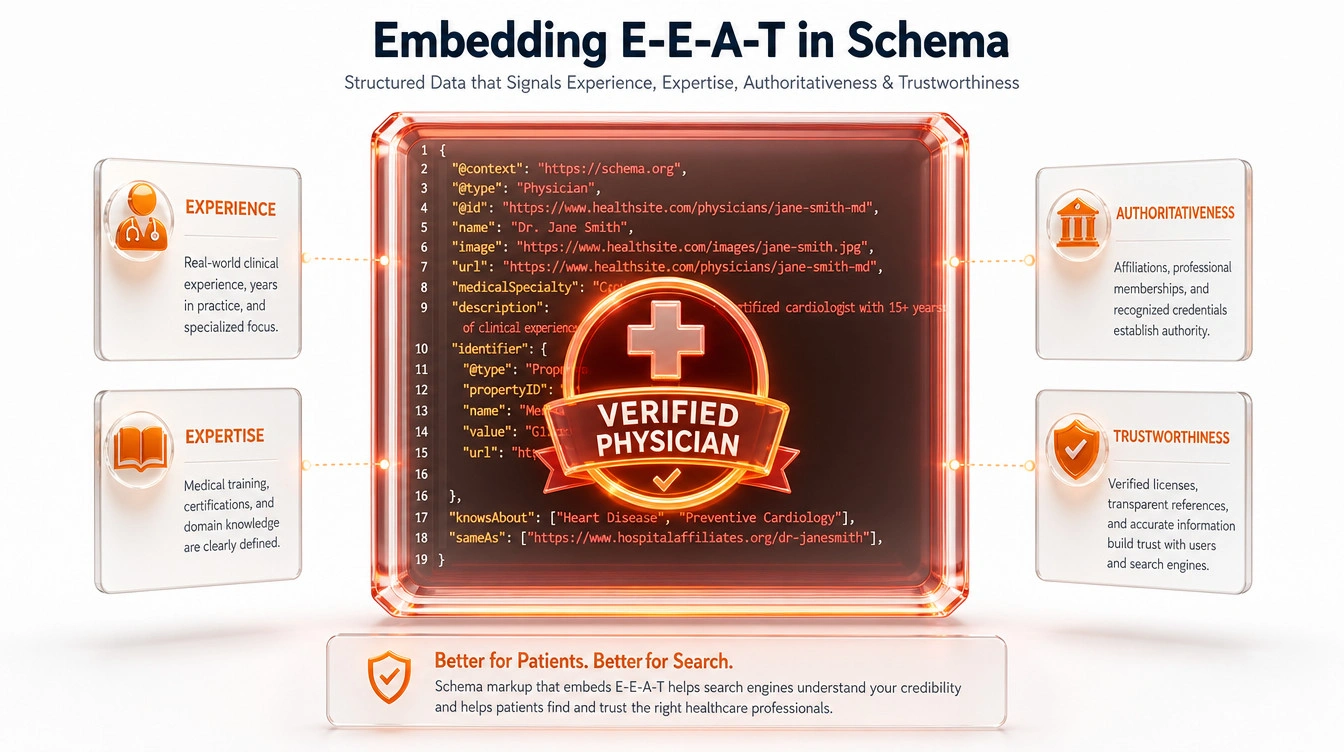
Google’s Quality Rater Guidelines classify medical content as Your Money or Your Life (YMYL). The threshold for ranking is high. Every clinical page must demonstrate verifiable credentials, peer review and institutional affiliation. We architect E-E-A-T signals directly into schema markup, linking practitioner Person entities to MedicalOrganization entities with NPI-equivalent identifiers.
The Regulatory Layer: Architecting for KKLIU & MMC Compliance
Healthcare architecture must embed compliance directly at the database layer. In Malaysia, your digital infrastructure must navigate the Private Healthcare Facilities and Services Act 1998, MMC guidelines, and strict KKLIU advertising frameworks.
A standard WordPress build leaves hospital groups vulnerable to regulatory breaches. Our enterprise technical SEO architecture acts as a safeguard. We engineer workflows that ensure:
- Compliance-Safe Schema: Deploying
MedicalClinicandPhysicianschema graphs that highlight factual data (operating hours, accepted insurance, verified credentials) rather than relying on risky, non-compliant promotional metadata. - Immutable Audit Logs: Tracking all content revisions to ensure unapproved clinical claims do not go live.
- Disclaimer Infrastructure: Structurally hardcoding necessary medical disclaimers and KKLIU approval numbers (where applicable) into the global footer and specific service templates, ensuring no page ever falls out of compliance during a site update.
low-latency WordPress Architecture for High-Traffic Clinics
Hospital portals serve appointment booking, patient education and emergency information simultaneously. A slow response during an urgent search is an access problem.

Our low-latency WordPress architecture removes the typical failure points:
- Edge caching via Cloudflare Enterprise with origin shielding
- Object caching through Redis at the database layer
- Critical CSS inlined, JavaScript deferred per route
- HTTP/3 and Brotli compression across all assets
- Measured server-response targets for relevant regional locations
This is not a plugin configuration. It is infrastructure engineering. Read our position on why technical debt destroys scalability before commissioning another revamp.
LLM Crawlability: Engineering for AI Ingestion
Large Language Models do not browse like Googlebot. They ingest structured data, parse semantic relationships and prefer machine-readable formats. To lead AI-generated answers, your healthcare site must serve content in a format LLMs can consume without ambiguity.

Our LLM crawlability framework includes:
- llms.txt files describing site purpose and content hierarchy (see our llms.txt implementation guide)
- JSON-LD schema for MedicalProcedure, MedicalCondition, Physician and Hospital types
- Semantic HTML with proper heading hierarchy and ARIA landmarks
- FAQ schema engineered for featured snippet extraction
- Open access via robots.txt for verified AI crawlers (GPTBot, ClaudeBot, PerplexityBot, Google-Extended)
For deeper technical context, the Schema.org MedicalOrganization vocabulary defines the entity relationships LLMs use to disambiguate clinical providers.
The AI-Ready Digital Infrastructure for Multi-Branch Clinics
Dental groups and aesthetic franchises with multiple branches face a unique architectural challenge: location authority. Each branch must rank independently for hyperlocal queries while inheriting brand authority from the parent entity.
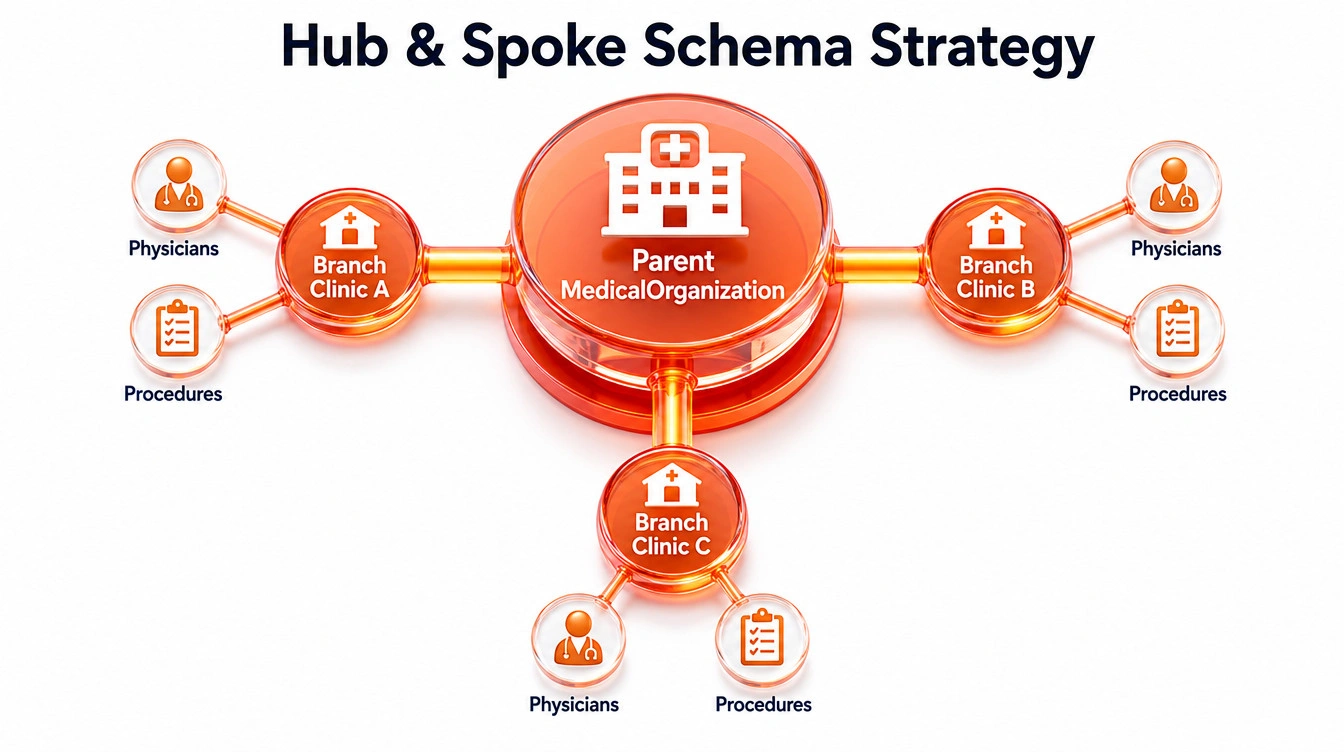
We deploy a hub-and-spoke schema graph. The parent MedicalOrganization entity links to subOrganization entries for each branch. Each branch has its own Physician roster, opening hours, accepted insurance and procedure list. Google and SGE parse this as a verified network, not a series of disconnected pages.
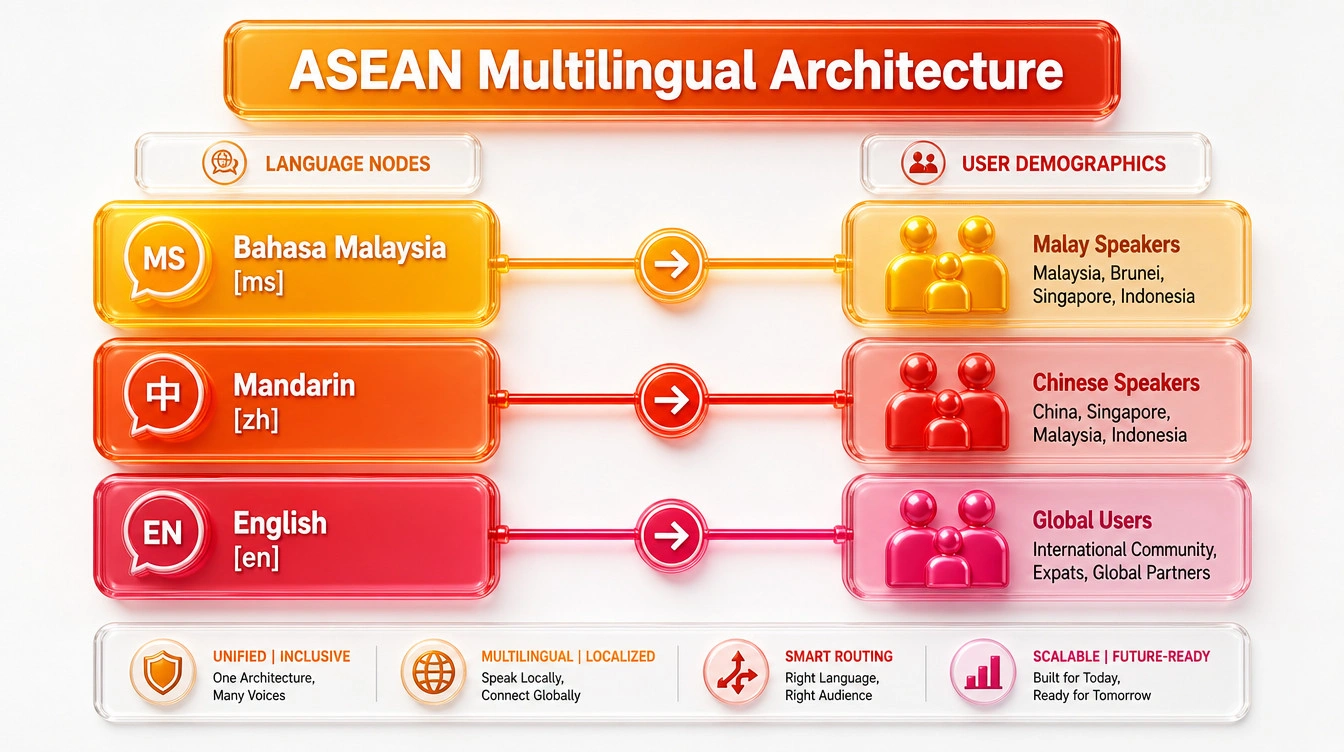
For multilingual ASEAN deployments, our hreflang technical implementation ensures Bahasa Malaysia, Mandarin and English variants serve the correct regional user without cannibalising rankings.
Reduced Operational Burden Through Engineered Systems
Hospital marketing directors and dental group CEOs do not have time to manage plugin conflicts, security patches or speed regressions. Our enterprise retainers deliver expert support that significantly lower maintenance workload by eliminating the root causes of operational friction.
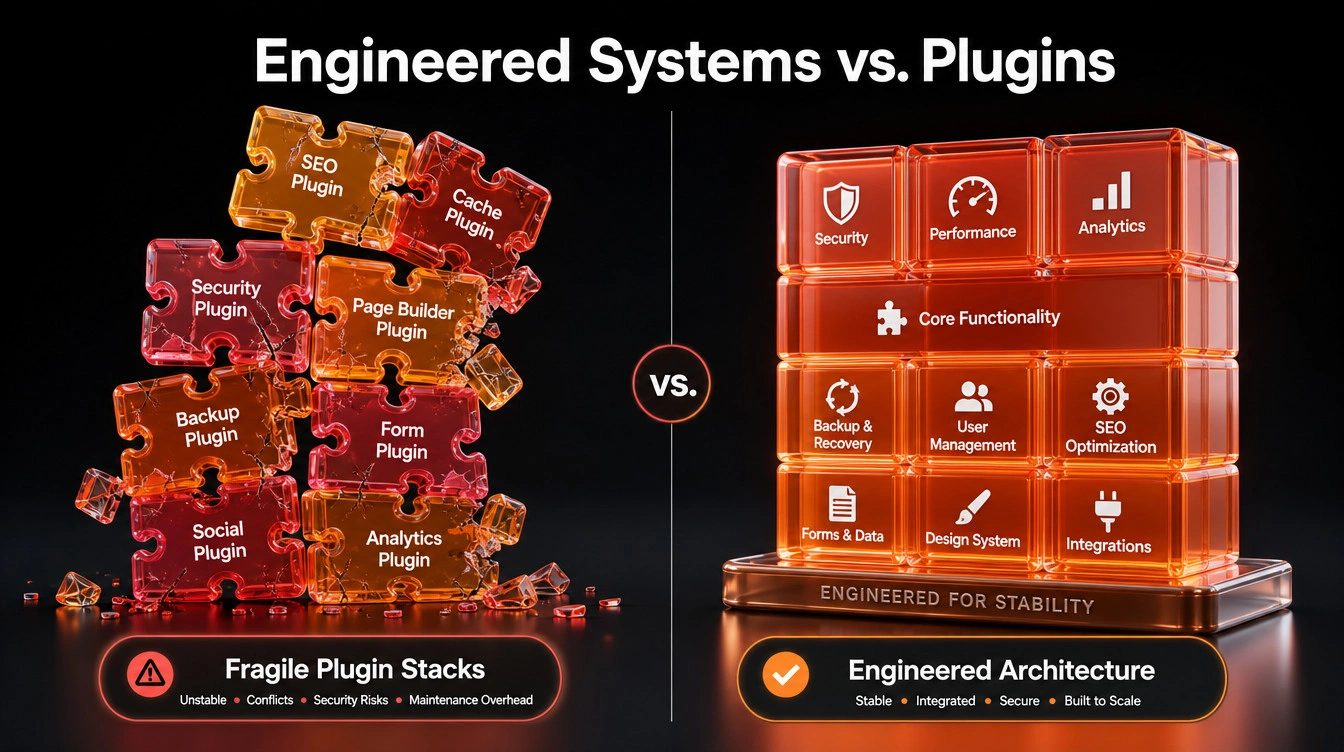
We replace fragile plugin stacks with custom-coded functionality. We replace shared hosting with dedicated container orchestration. We replace ad-hoc backups with versioned, point-in-time recovery. The result is a system that runs without daily intervention.
This philosophy informs why we do not advertise. Our clients stay for a decade because the infrastructure simply works.
Website Migration Without Patient Trust Loss
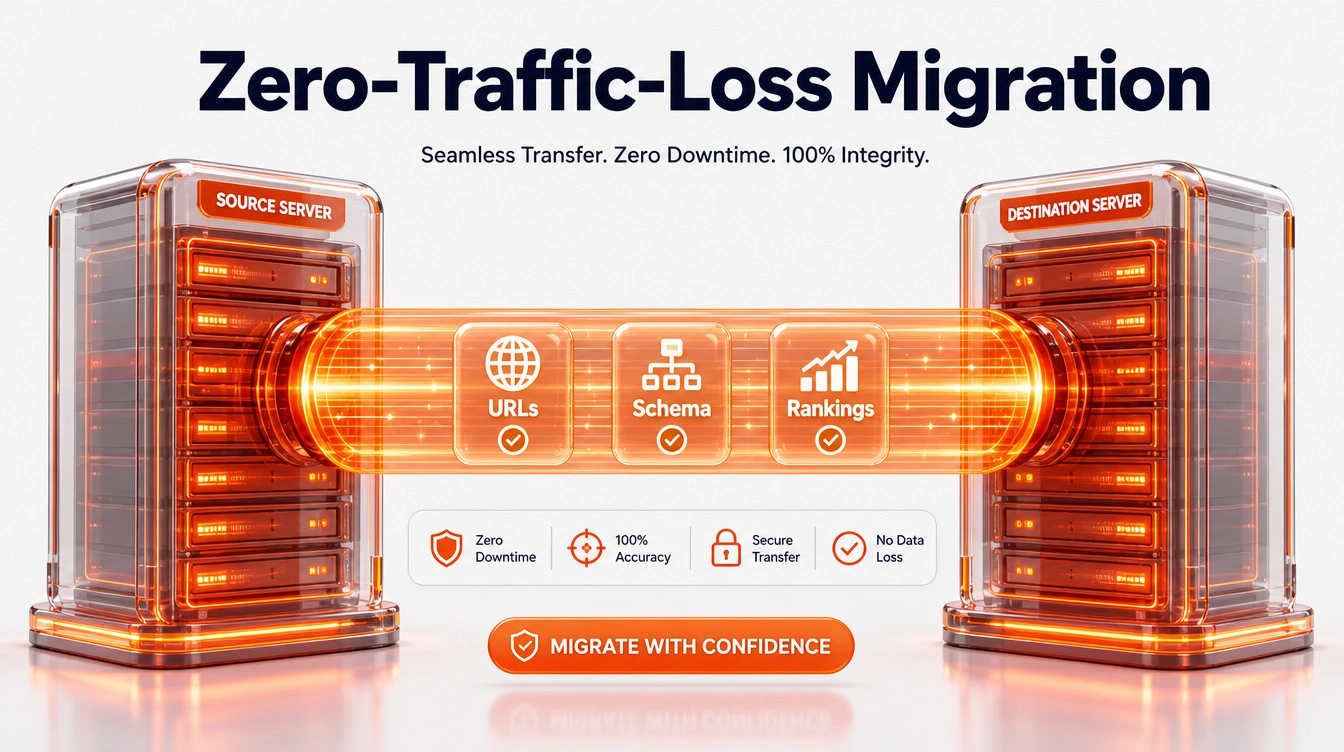
Healthcare website migrations are high-stakes. A botched migration can delist procedure pages for months, costing a clinic chain millions in deferred bookings. We execute migrations under a zero-traffic-loss protocol, with redirect mapping, schema continuity and pre-launch SGE validation. The full methodology is detailed in our SEO migration checklist.
ASEAN Market Share Dominance for Medical Aesthetics
The medical aesthetics market in Southeast Asia is projected to exceed USD 4.5 billion by 2028, according to Grand View Research. Competition is fragmenting fast. The clinics that secure ASEAN market share dominance will not be those with the largest ad budgets. They will be those whose digital infrastructure is engineered for AI-mediated discovery.
Our technical SEO architects in Malaysia build that foundation. We do not sell campaigns. We sell enterprise digital continuity.
Secure Your Clinical Authority in the AI Search Era
If you operate a hospital group, dental network or aesthetics chain and your visibility is eroding inside AI overviews, the cause is architectural. Book a discovery call with our technical SEO architects to audit your infrastructure and map a path to SGE dominance. Request your strategic site audit or speak with our team directly via the Technical SEO Architect engagement.
Conclusion
Useful technical SEO for healthcare websites must earn trust before it earns traffic. Keep clinical review, privacy, technical quality and current compliance advice inside the publishing process. Measure whether the website helps suitable patients make informed contact, not whether it produces the largest possible audience.
Frequently Asked Questions
Can technical SEO for healthcare websites guarantee rankings, AI citations or patient enquiries?
No. Search visibility depends on competition, platform changes and the quality of the underlying information. The responsible goal is clearer discovery and more useful patient processes, not guaranteed outcomes.
Who should review medical website content?
Use an accountable reviewer with appropriate clinical knowledge. Current advertising, professional and privacy requirements should be checked with qualified advisers for the markets where the clinic operates.
What should a clinic measure?
Track qualified appointment enquiries, useful local visibility and successful patient processes while minimising sensitive data collection and documenting the limits of attribution.
For the delivery scope behind this issue, see Ulement’s technical SEO service.