
Technical SEO work often fails between the audit and implementation. A crawler can identify an issue, but teams still need to decide which templates, systems and owners are involved, what a correct fix looks like and how to verify it. A technical SEO architect helps connect those decisions across a website project.
What the role covers

The exact scope varies by organisation. It commonly includes:
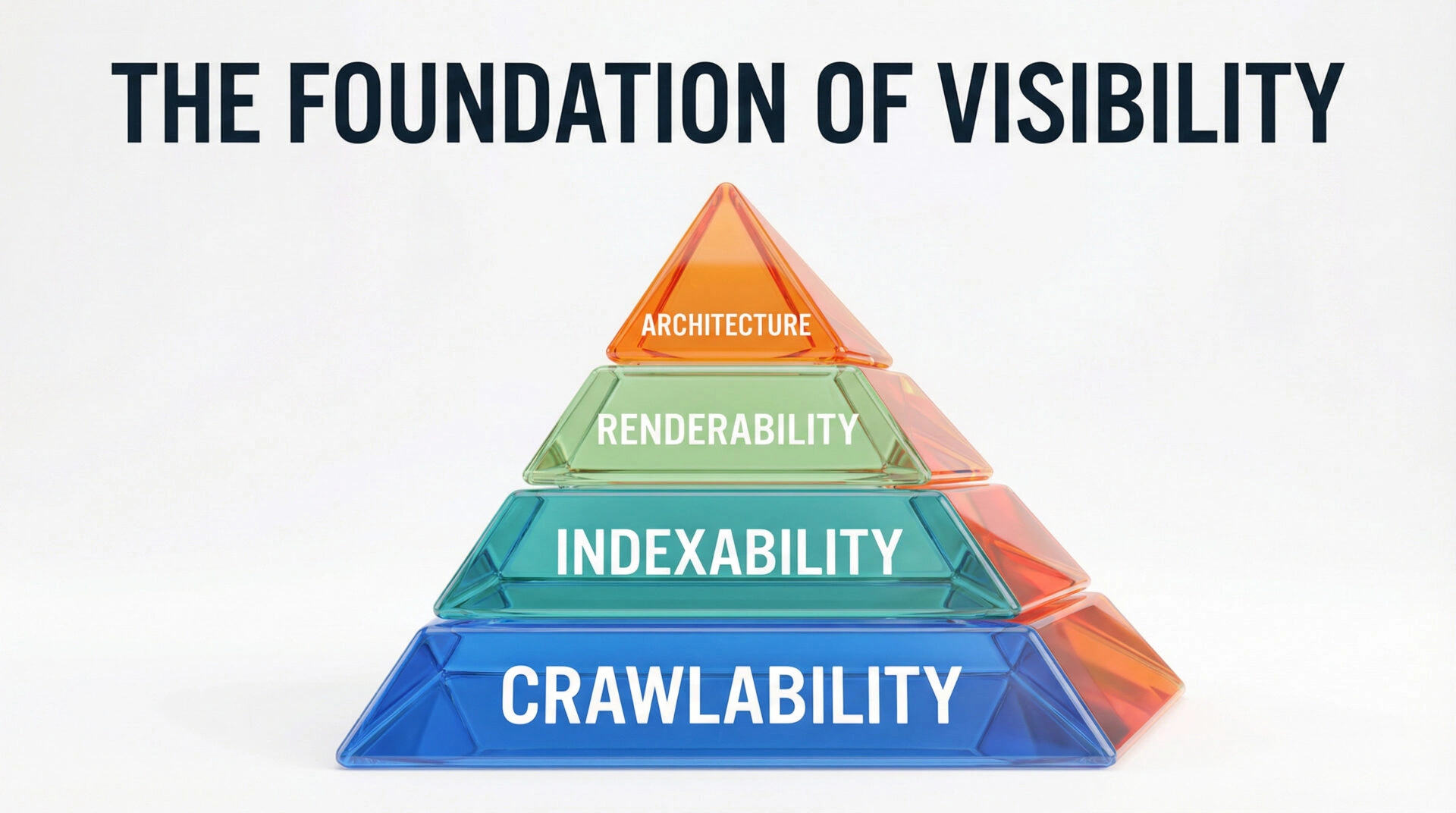

- Site architecture: organising sections, URLs, navigation and internal links around user tasks and business entities.
- Technical requirements: documenting indexability, rendering, canonical, redirects, structured data, internationalisation and performance requirements.
- Template and platform decisions: checking how the content model, CMS, frontend and integrations affect crawlable content and future maintenance.
- Delivery coordination: turning findings into prioritised tickets with owners, acceptance criteria, dependencies and test cases.
- Release validation: checking representative pages before and after launch, and monitoring search and business signals.
The architect does not replace developers, editors, product owners or SEO specialists. The role makes their shared decisions explicit and checks that search requirements are considered before implementation details become expensive to change.
When the role is useful
It can be valuable during a redesign, platform migration, multi-site consolidation or a project with many templates and stakeholders. It is also useful when repeated SEO fixes keep returning because the underlying publishing or technical process has not changed.

For a small, stable website with a clear owner and a straightforward release process, a separate architecture role may not be necessary. A technical SEO specialist or developer may cover the work. Choose the level of involvement according to complexity, risk and the organisation’s ability to maintain the result.
What to ask before appointing one
Ask for a clear scope: which decisions will the architect own, advise on or review? What deliverables will the team receive? How will priorities be set, and who will implement and maintain each change? Confirm that recommendations will be tested against the actual CMS, templates, analytics and deployment process.
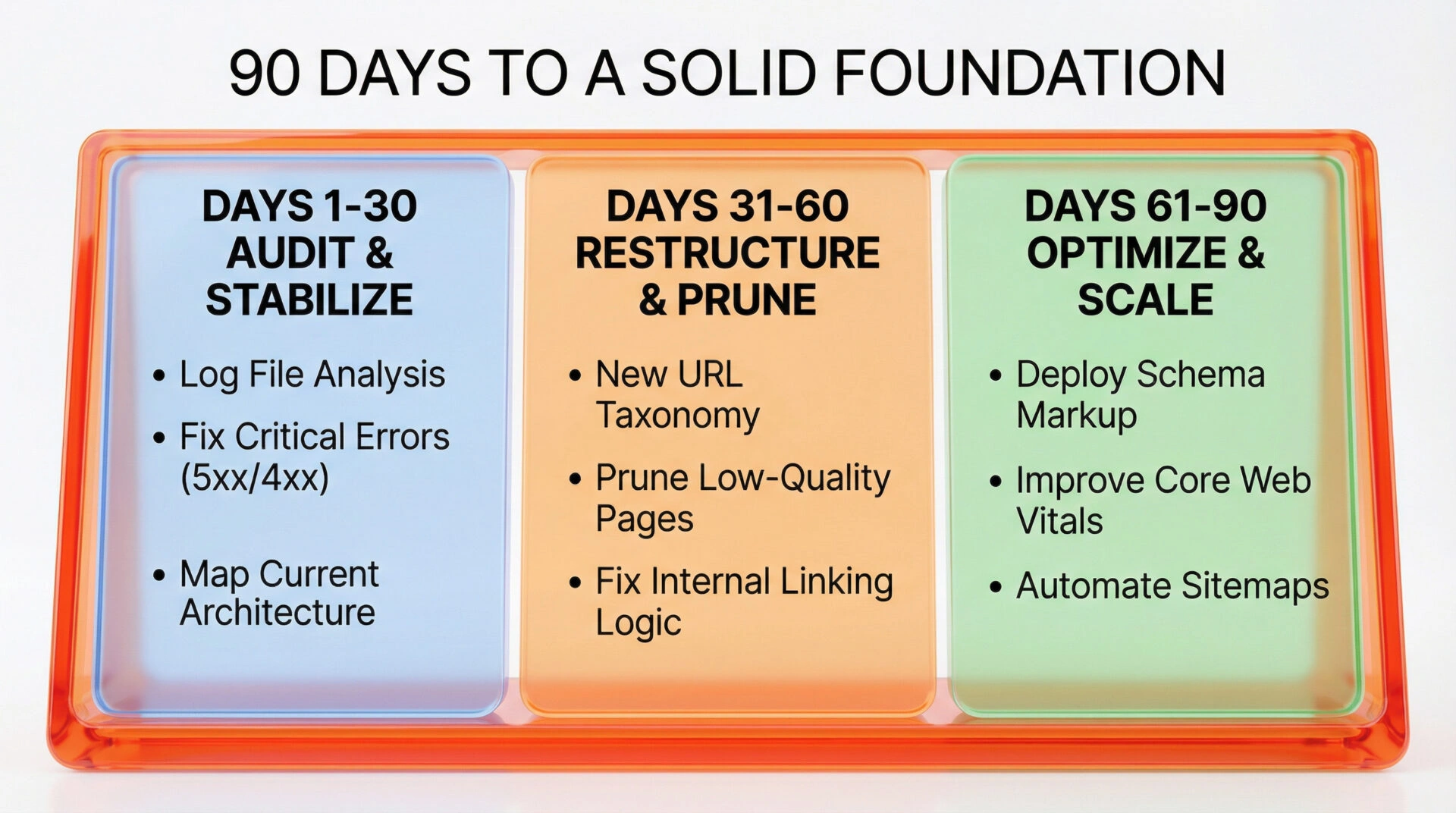
The useful outcome is not a diagram or a long audit by itself. It is a set of clear decisions that the delivery team can build, test and operate, with an accountable owner for each one.