
Structured data can present page meaning to crawlers in a more organised form. It does not turn a WordPress site into a guaranteed source for AI answers. The markup must match what the page says and shows, and it works best as part of sound technical SEO.
Key takeaways
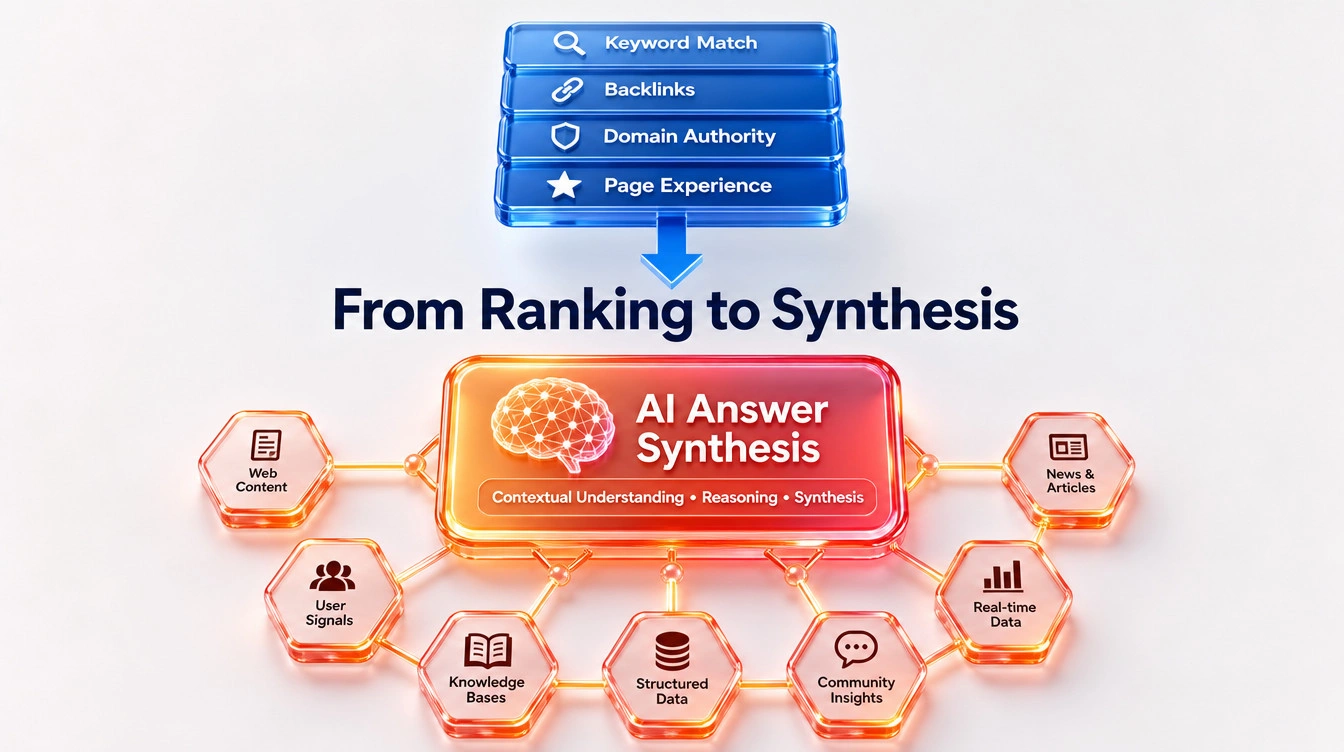

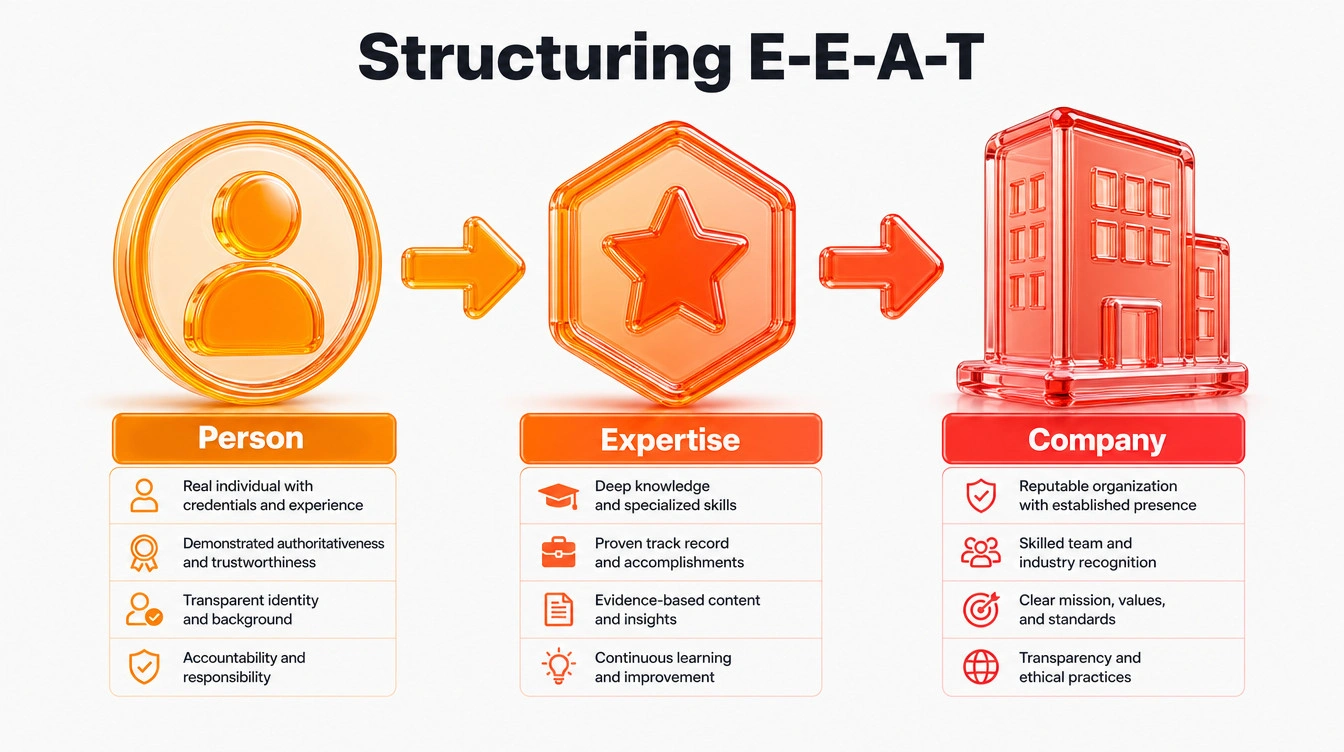
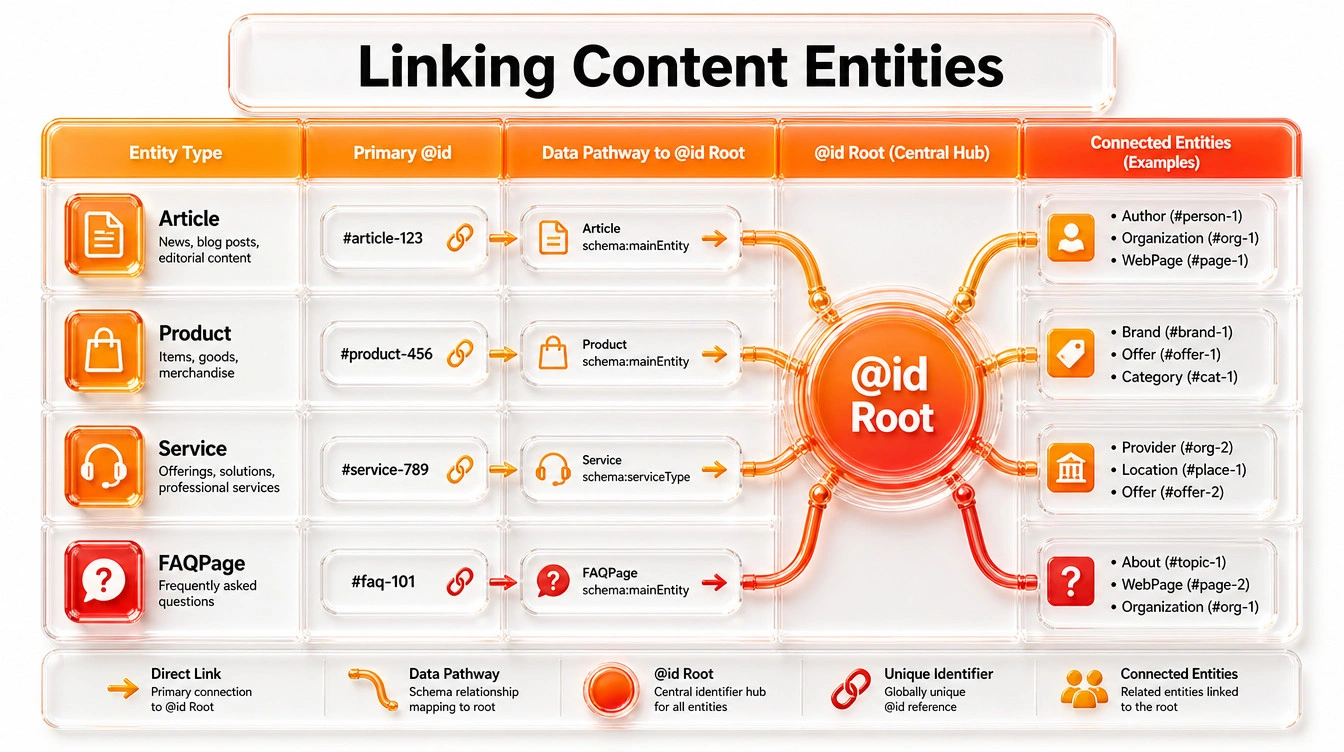
- Choose a supported type that describes the visible page accurately.
- Connect the markup to the same organisation, person, service or article represented on the site.
- Validate changes and monitor errors, but do not promise rankings, rich results or AI citations.
Start with the page and its entities
Before adding JSON-LD, identify the page purpose and the real entities it describes. An organisation page may identify the organisation; an article can identify its headline, author and dates; a service page can describe the service actually offered. Use stable identifiers where they help connect related pages. Do not invent offices, credentials, reviews, prices or services to fill a schema property.
Keep the structured data consistent with the rendered page and other authoritative site information. If a fact changes, update the content and markup together. Do not add hidden claims, duplicate incompatible entities or mark up content visitors cannot see.
Implement it as technical SEO work
Review rendered HTML, canonical URLs, internal links, crawl access and the page template. Add only the properties that are accurate and useful. JSON-LD is a practical format supported by Google, but the main requirement is valid, policy-compliant markup that matches visible content.

Test representative URLs with Google’s Rich Results Test when the type is eligible for that tool, and review Search Console reports for detected structured-data issues. A passing test means the tool can parse the markup; it does not guarantee that Google will show a rich result.
Google’s AI features guidance and structured data policies explain that AI Overviews and AI Mode do not need special schema and that structured data must follow policy. A page must meet ordinary Search eligibility requirements, and crawling, indexing and display are not guaranteed. Structured data remains useful as a precise description of a page, not a proven citation tactic.
What a recent controlled test does and does not show
In an October 2026 experiment, Rick Ramos reports 21,600 model trials using fictional companies and facts placed in different page versions, followed by 1,644 live fetches and 90 manual checks in consumer AI apps. When facts were supplied directly to models, pages with the fact in body text alone were cited 70% of the time; adding the same fact as JSON-LD or as another sentence in the page each produced 95%, with an odds ratio of 0.98 between those two treatments. In that setup, JSON-LD did not outperform the same information in prose.
In his LinkedIn summary and full report and methods, Ramos reports that the ChatGPT and Claude fetches in his test did not retain JSON-LD, while Gemini’s URL-context tool did. He could not test how search indexing affects citations: only eight of 60 test pages were indexed during the five-week test period. The test used fictional pages and schema-only facts, so it does not establish how structured data affects citations for real sites or prove that markup has no value elsewhere. It is evidence against promising a direct AI-citation gain from schema.
Common implementation failures
- Marking up facts that do not appear on the page.
- Using an unsuitable schema type to seek a search feature.
- Leaving old dates, prices or business details in markup after the page changes.
- Treating valid JSON-LD as a substitute for indexability, clear content or useful internal links.
- Adding several plugins that output duplicate or conflicting entities.
Common questions
Does schema improve rankings or guarantee AI citations?
No. Google does not require special schema for its AI features, and valid markup does not guarantee a rich result or citation.
Should every page use the same schema?
No. Choose markup based on the page and the visible facts. Some pages may need no structured data beyond the site-wide organisation information.
Why involve a technical SEO architect?
The value is in connecting markup with crawlability, rendering, canonical signals, internal relationships and content governance. The code is one part of that system.