
SEO in Malaysia involves more than adding “Malaysia” to a page title. Customers may search in English, Bahasa Malaysia, Chinese, Tamil or a mix of languages. Their wording, service expectations and location can differ. Start with the people the business serves, then build pages and technical systems that make those services understandable and accessible.
No set of SEO actions guarantees a ranking, a certain amount of traffic or a citation in an AI answer. The aim is to improve discoverability and help the right visitors make a decision.
Research Malaysian search intent
Use real customer questions, sales conversations, Search Console queries and keyword research to understand what people need. Look at spelling variants, local terminology, product names, city and state names, and mixed-language queries. Manglish may appear in informal searches, but use natural professional language on the page unless the audience and context call for a more conversational register.
Separate research, comparison and purchase needs. A service page should explain what is delivered, who it suits, what affects scope and cost, and how to enquire. A guide should answer the informational question. Avoid combining every keyword into one page or creating near-duplicates for nearby towns.
Publish useful language versions
Translate or write each version for the audience that will use it. A word-for-word translation can miss local terminology and buyer intent. Have a fluent reviewer check technical terms, examples, forms, calls to action and dates.
Use a distinct URL for each language version. Set the page language correctly, add reciprocal hreflang links for available versions, and use a canonical URL that points to that version itself. Link versions with a language switcher. Do not automatically redirect visitors based only on their browser language; let them choose and keep the selection easy to change.
Build a sound technical base

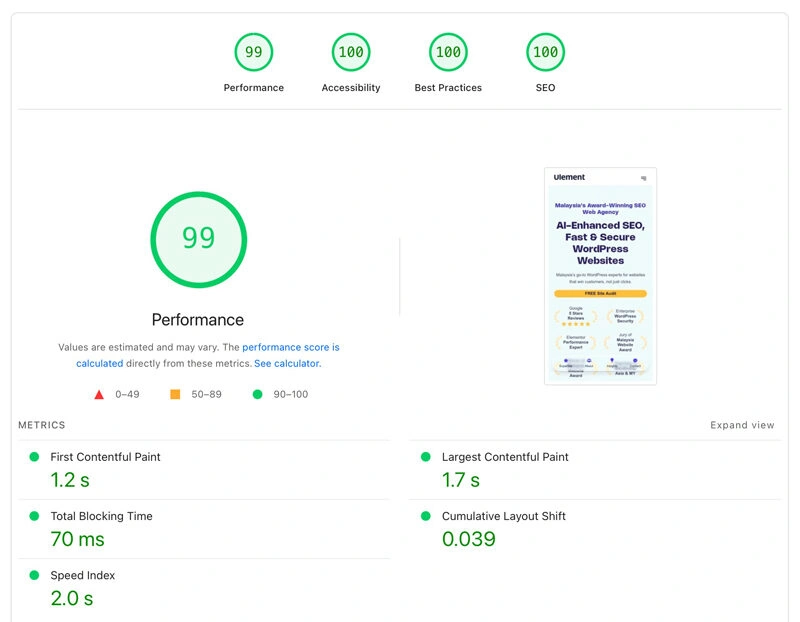
Check that important pages load successfully, can be crawled and indexed, and are linked from relevant parts of the site. Make navigation and content usable on mobile connections and smaller screens. Review page speed and Core Web Vitals as user-experience measures, not a promise of higher rankings.
Use clear titles, headings and internal links. Put essential information in visible text instead of image-only graphics. Keep URLs stable where possible; when a migration requires a change, map old pages to the closest relevant destination and test redirects, canonicals, sitemaps and forms before launch.
Structured data can describe visible page information in a more organised, machine-readable form. Keep it accurate and aligned with what the page says and shows. It may support eligible search features, but it does not guarantee rankings or AI citations.
Work on local visibility
If customers visit a location or the business serves an area in person, check whether it qualifies for a Google Business Profile. Keep the profile verified and accurate, use the real business name, choose relevant categories and follow current address and service-area rules. Ask customers for honest reviews without incentives or selective filtering.
Support the profile with useful location and service pages. Include details that help a customer choose or visit, rather than repeating the same text with a city name swapped. Measure calls, direction requests and qualified enquiries alongside impressions and rankings. Local results vary by searcher location.
Plan for AI search without chasing a shortcut
Google says its AI features use the same foundational SEO practices as Search overall. There are no additional technical requirements or special optimisations for AI Overviews or AI Mode. Publish useful, original content, keep it accessible and follow current search policies. You cannot guarantee that a page will be cited.
E-E-A-T describes experience, expertise, authoritativeness and trustworthiness as qualities Google’s systems aim to recognise; it is not a single ranking factor to add to a checklist. Show who is responsible for important advice, support claims and correct errors because those practices help readers assess the content.
E-commerce and marketplaces

For an online store, make product pages accurate and complete: describe variants, price, stock, delivery, returns and support clearly. Test the checkout and mobile experience. For product structured data or Merchant Center feeds, follow Google’s current requirements and keep the marked-up information consistent with what customers see.
Shopee and Lazada are separate marketplaces with their own search and seller rules. Improving a listing there may support marketplace discovery, but it does not replace the website’s Google SEO. Keep channel reporting separate so the business can see where sales and costs come from.
Measure what matters
Use Search Console to review Google Search impressions, clicks and queries. Use analytics for on-site actions where consent and measurement are configured appropriately. Compare those reports with CRM or sales records to understand which visits become qualified demand.
Set a baseline before making changes. Record the pages, queries, locations and conversions that matter, then review them over a sensible period. Rankings fluctuate, and several changes may happen at once. Do not claim that SEO caused an outcome unless the evidence supports that conclusion.
Common mistakes

- Translating keywords without researching how Malaysian customers phrase the need.
- Publishing duplicate city pages with no distinct local information.
- Treating E-E-A-T, schema, GEO or AEO as ranking switches.
- Ignoring crawlability, indexation, redirects, mobile forms or page ownership.
- Buying links or reviews, or offering incentives for positive ratings.
- Reporting impressions and rankings without qualified enquiries or sales.
Frequently asked questions
How long does SEO take in Malaysia?
There is no reliable fixed timeline. Results depend on the site, competition, demand, technical condition and work completed. Set a baseline and review progress over time rather than promising a date.
Can an agency guarantee first place on Google?
No. Google does not accept payment to rank pages higher in organic results. An agency can agree work, reporting and responsibilities, but it cannot control Google’s ranking decisions.
Should a Malaysian business have Malay and Chinese pages?
Only when those versions serve a real audience and the business can keep them accurate. Research language-specific needs and maintain each full page, form and metadata set.
Conclusion
Prioritise customer intent, accurate language versions, technical access, useful local information and measurable business outcomes. Keep recommendations current and make clear what the evidence can and cannot show.
Sources checked on 20 October 2026: Google’s SEO Starter Guide, people-first content guidance, multilingual and multi-regional guidance, AI features and your website, and Business Profile local ranking guidance.