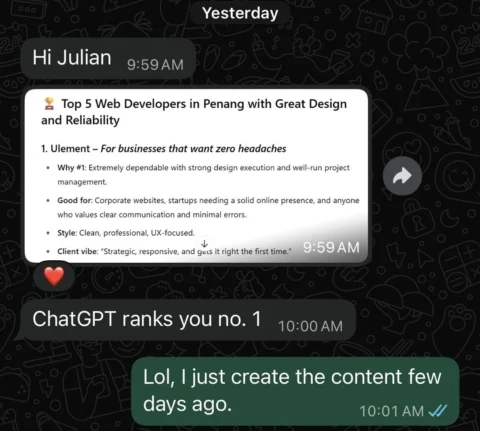
Generative engine optimisation (GEO) describes work intended to help generative search systems find, understand and cite useful information. Google’s current guidance treats its AI search features as part of Search and says its foundational SEO practices still apply. Other AI platforms may use different sources and retrieval methods, so no single GEO tactic guarantees a citation.
Start with the reader and the source




Choose topics because they help an intended audience make a decision or complete a task, not because a tool labels them as an AI trend. Give direct answers, explain the evidence and limits, and add first-hand knowledge when available. Identify the organisation, author, relevant dates and relationships between entities clearly.
Organise related pages around a real subject. Link to useful supporting material and keep service, product and location information consistent. Avoid creating thin pages for every prompt variation or rewriting the same article as multiple “AI-ready” answers. Google warns against scaled, low-value pages and says there is no required page length or special chunking format for AI features.

Keep the technical path clear



Make important pages accessible and eligible to appear in Google Search. Review crawling, indexation, rendering, internal links and page experience. Use semantic HTML to help people and assistive technology navigate content, but do not treat perfect markup as a ranking shortcut. Structured data may describe visible page facts and support eligible search features; Google says it is not required for generative AI search.
Measure the right things


Track impressions, clicks and business conversions. Search Console now includes a generative AI performance report for eligible Search and Discover experiences. For other answer engines, sample relevant questions and record the platform, date, wording, citations and accuracy. These checks are directional because outputs can vary. Compare visibility with qualified visits and enquiries, and avoid claiming that GEO caused a result without evidence.
Does GEO mean writing for machines?
No. Clear structure helps people and systems, but the content should first answer a real audience need. Generative systems decide whether and how to use a source.