
Ecommerce SEO in Malaysia has to connect product discovery with the realities of local shopping, payment and delivery. A store needs useful category and product pages, accurate stock and price information, and a checkout that works. Marketplaces can add another sales channel, but their visibility rules and customer relationships are separate from a store’s organic search performance.
Decide what each channel is responsible for
An owned ecommerce website gives a business control over its domain, content, customer journey and first-party operational data, subject to privacy and consent requirements. Shopee, Lazada and other marketplaces provide access to their shopping environments under each platform’s rules. They can change fees, display and seller requirements. A marketplace listing does not automatically improve the store’s Google rankings, and a store should not depend on one platform for every customer relationship.
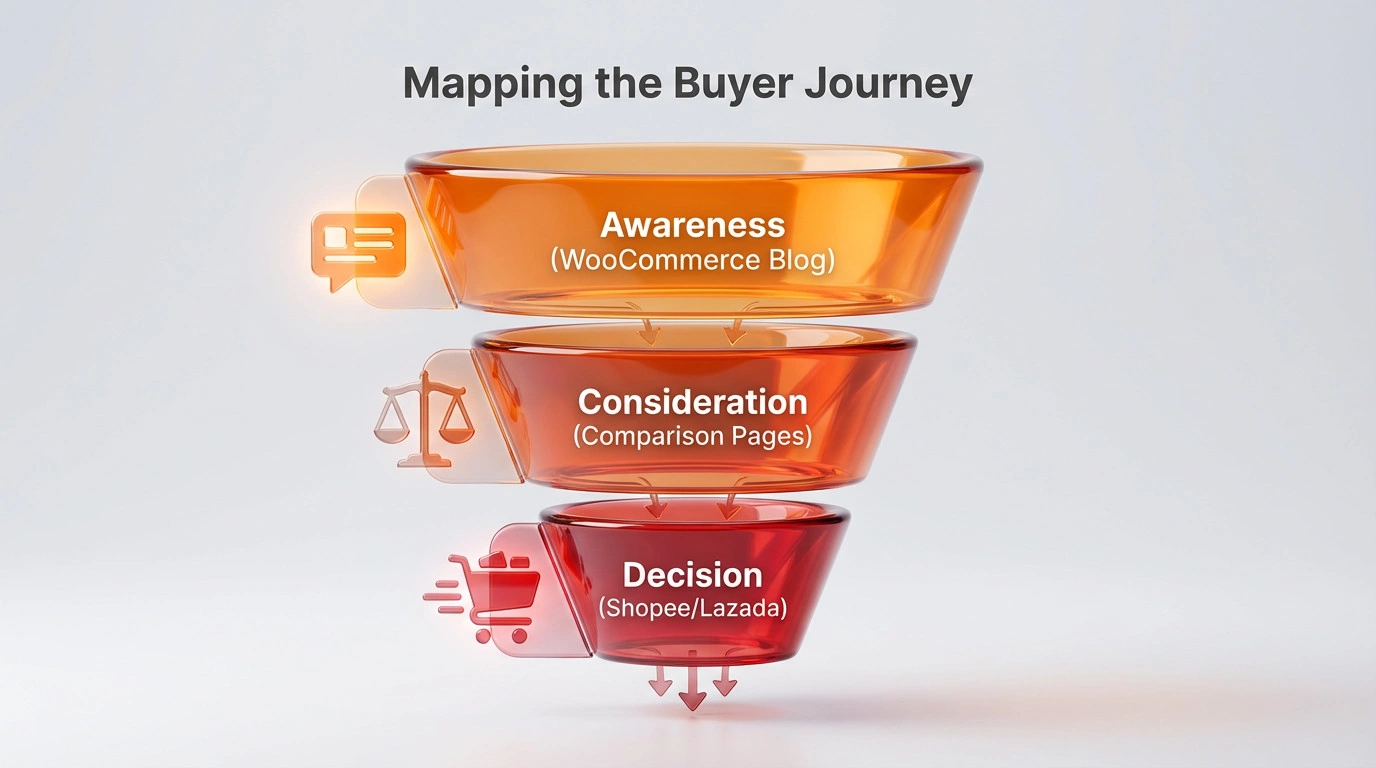
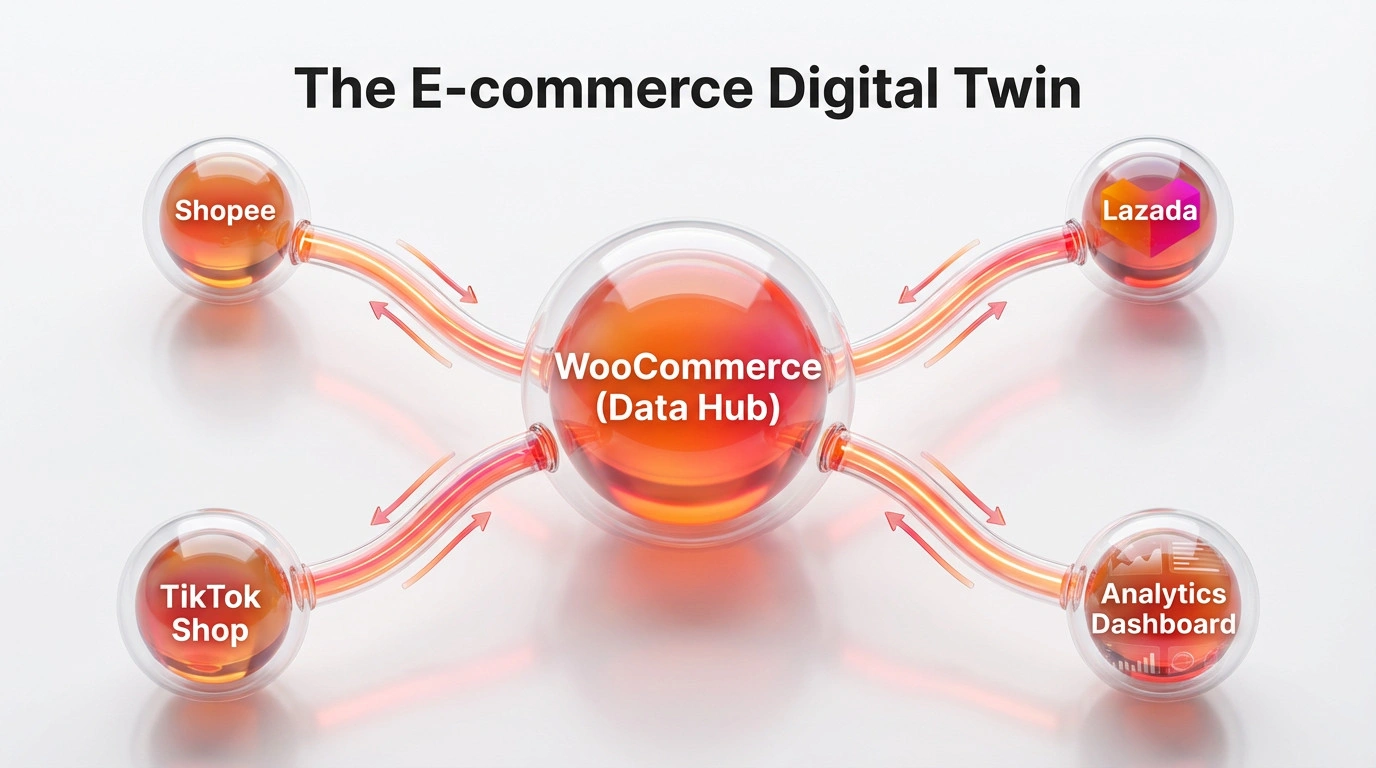
Set a clear role for each channel. For example, use the website for the complete product range, product support and brand information, while marketplaces serve customers who prefer to transact there. Keep the product name, price, stock, variants, warranty and delivery claims consistent wherever they appear. Do not promise marketplace reach, reviews or ranking outcomes as an SEO benefit to another channel.
Research searches around real buying decisions
Start with Search Console, site search, customer questions, sales enquiries and product data. Group queries by the decision they help with: finding a product type, comparing models, checking compatibility, confirming delivery or looking up a specific item. Use Malaysian spellings, Bahasa Melayu, English and Chinese where customer evidence supports them. Do not add colloquial or mixed-language phrases just because they seem local.
Map each useful query group to the best destination. Product comparisons may need an editorial guide; a specific model query usually belongs on a product page; delivery and return questions need accurate policy information. Avoid creating thin pages for every wording variation. Search demand is a signal to investigate, not proof that a new page is needed.
Build a catalogue people and crawlers can navigate
Use a clear hierarchy from the main shop to stable product categories, relevant subcategories and products. Categories should help shoppers narrow a meaningful range. Use attributes for properties such as size, material or compatibility. Add filters for shoppers, then review which combinations deserve a durable, useful landing page. Most filter combinations do not need separate search landing pages.
Make important products discoverable through ordinary links and a crawlable navigation path. Use consistent URLs and breadcrumbs that reflect the catalogue. Keep pagination accessible with links. Check that search, sort and filter parameters do not create uncontrolled duplicate URLs or block useful products. Choose canonical and indexing rules from observed crawl and customer needs rather than applying blanket rules.
Give each product page enough decision-making information
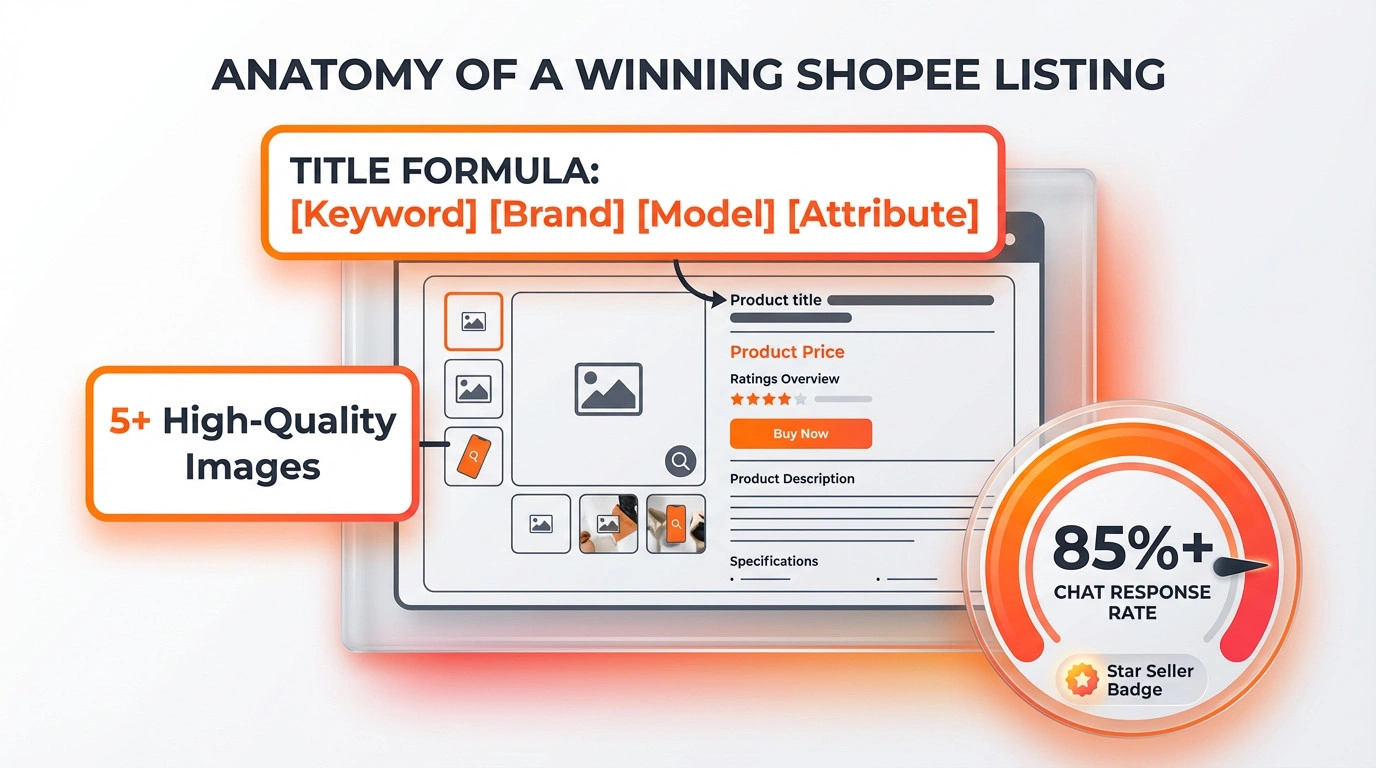
Include a specific product name, original description, current price, stock status, variant details, compatibility, dimensions or specifications, delivery coverage, payment options and return terms where relevant. Add clear product images with useful alternative text. Explain what distinguishes the product and answer questions that affect purchase. Manufacturer text alone rarely gives shoppers much reason to choose one seller over another.
For Malaysia, state currency and delivery coverage clearly. Specify when a delivery estimate is an estimate and describe any geographic or order-value limits. Keep promotions, warranty terms, certifications and availability accurate. Product information should match the cart and checkout, not just the listing page.
Use product data carefully
Google can use product structured data and Merchant Center product data for supported shopping experiences. Structured data must match visible page information. Product markup can make a page eligible for a feature; it does not guarantee appearance, ranking or sales. Merchant listing experiences require an eligible page where a shopper can buy the product. Keep price, availability, currency, variants and shipping details current across the page and any feed.

Check markup generated by the theme and ecommerce extensions before adding another schema tool. Remove conflicting or duplicated Product data. Review Search Console’s relevant shopping reports and Google’s current product data documentation when the store or search features change.
Treat marketplaces as their own search environments
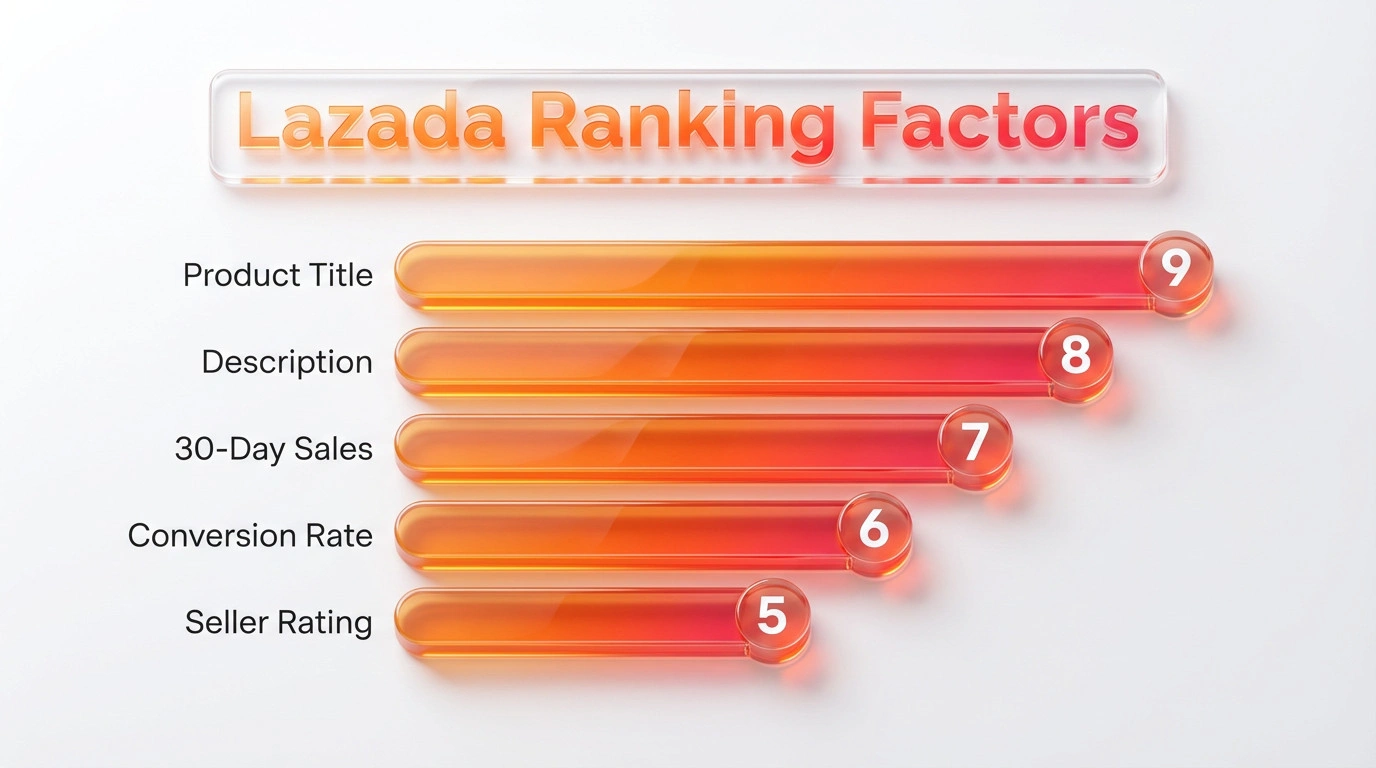
Marketplace search depends on each platform’s current listing fields, seller rules, merchandising and competition. Keep listings accurate, complete required attributes and provide clear images and fulfilment information. Consult each marketplace’s current seller documentation before changing titles, promotions or fulfilment settings. Do not assume its algorithm uses the same signals as Google Search.
Use campaign and order reporting to understand each channel’s contribution. Reviews can help shoppers assess a product, but must be genuine and gathered under platform rules. They do not automatically transfer to Google or prove that other claims on a website are true.
Keep performance and checkout reliable
Test category and product templates on mobile devices and representative connections. Measure server response, image weight, scripts and Core Web Vitals on real templates. Optimise the component that the evidence identifies. Avoid disabling cart, stock or session functionality to improve a lab score without testing the purchase journey.
Test the full path: variant selection, stock changes, add to cart, shipping and tax calculation, payment return, order email and error states. Make forms and controls usable with a keyboard and assistive technology. SEO cannot compensate for a checkout that fails or hides delivery costs.
Measure outcomes and maintain the catalogue
Use Search Console for search impressions, clicks and indexing. Use ecommerce analytics and order records for product views, cart actions, completed orders, revenue and returns. These measures answer different questions. Segment by product group, device and channel when the data is reliable. More organic visits do not automatically mean more profitable sales.
Assign owners for stock accuracy, discontinued products, redirects, prices, policy updates, structured data and extension maintenance. When a product is discontinued, keep its URL only if it still serves shoppers. Redirect to a close substitute when one exists; otherwise provide a clear unavailable or removed state. Revisit the category structure as the range changes.
Common questions
Should every product filter be indexed?
Usually not. Many filter combinations create duplicate or low-value URLs. Consider an indexable landing page only when the combination has distinct demand and useful content that someone will maintain. Keep other filters usable without exposing an uncontrolled set of URLs.
Does structured data improve ecommerce rankings?
It can make eligible pages understood for supported search features when the markup is valid and matches visible information. It does not guarantee a rich result, higher ranking or sale.
Should a business choose its website or a marketplace?
That depends on margin, operations, customer expectations and the control the business needs. Compare total fees, fulfilment, customer data access, support and exit options. Many retailers use both, with a defined role for each.
Sources checked on 20 October 2026: Google’s ecommerce site structure guidance, Product structured data documentation and Search Essentials.