Patient reviews can support local visibility and trust when clinics request them fairly and respond without exposing health information. Do not manufacture sentiment, gate unhappy patients or pressure people during vulnerable moments. Build a consistent process that respects platform rules, privacy and the reality that feedback will vary.
Key Takeaways:
- Ask for reviews consistently without incentives, gating or scripted sentiment.
- Protect patient privacy when acknowledging or responding to feedback.
- Use recurring themes to improve service, not only the public rating.

How Google’s Algorithm Uses Patient Reviews
Google’s practical goal is to connect users with the best possible local business. For medical clinics, Google relies heavily on patient feedback to determine your Prominence (how well-known and respected you are).
The Power of Review Velocity
Clinic owners often panic over a single 4-star review, believing they must maintain a perfect 5.0 score. In reality, a clinic with 120 reviews averaging 4.8 stars will almost always outrank a clinic with 10 reviews averaging 5.0 stars.
More importantly, Google looks at review velocity – the steady rate at which new reviews are published. If your clinic hasn’t received a review in six months, Google assumes your practice is stagnant or your patients aren’t impressed enough to leave feedback. A system that generates two or three new reviews a week signals continuous, high-quality patient care.
Sentiment Analysis and LSI Keywords
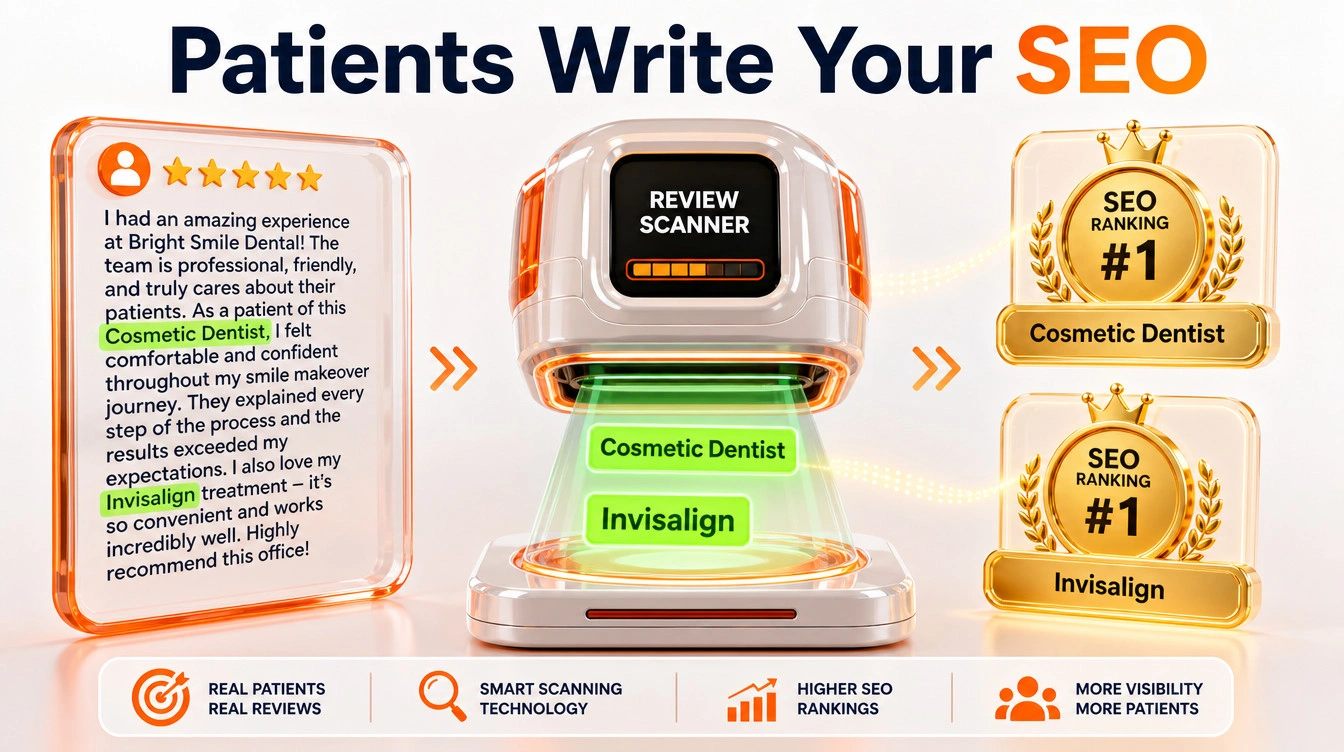
Google’s natural language processing reads the text within your reviews. This is where the magic happens for local SEO.
If multiple patients write, ‘The team at Dr. Wong’s clinic in Bayan Lepas is professional and the orthodontic consultation process was very detailed.,’ Google extracts the keywords “professional” and “orthodontic consultation.” Your clinic will naturally begin to rank higher when other locals search for those specific treatments, simply because your patients did the SEO copywriting for you.
Navigating KKLIU Testimonial Regulations for Local SEO
Gathering patient reviews in Malaysia requires strict adherence to the Medicine Advertisements Board (KKLIU) MAB 3/2023 guidelines. Under these regulations, clinical testimonials are strictly prohibited. You cannot solicit or promote reviews that detail treatment efficacy, clinical outcomes, or the specific medical skills of a practitioner.
So, how do you build a 5-star Google Business Profile legally? You optimise for operational excellence.
KKLIU explicitly permits patient testimonials that promote the healthcare premises. To safely boost your local SEO and E-E-A-T, guide your patients to review your clinic’s:
- Cleanliness and Ambience: “The clinic environment is highly maintained and relaxing.”
- Staff Hospitality: “The front desk team was welcoming, and the nursing staff was highly attentive.”
- Efficiency: “Booking was controlled, and the waiting time was minimal.”
By focusing your review generation strategy on patient experience rather than clinical outcomes, you build powerful local ranking signals without risking regulatory penalties.
Ethical and Compliant Ways to Ask for Reviews
Many clinics struggle to get reviews because they simply do not ask. However, in healthcare, you must be careful not to violate privacy laws (like Malaysia’s PDPA) or offer incentives (like discounts), which violates Google’s terms of service and medical advertising ethics.
The Best Time to Ask: The moment a patient expresses gratitude at the front desk after a successful appointment or procedure.
A Compliance-Safe Request Template: Do not say: “Please leave a review about your dental implant surgery!” (This pressures them to reveal medical details). Do say: “We are so glad you had a great experience today. If you have a moment, we would love it if you shared your feedback about our clinic team on Google. It really helps other locals find us.”
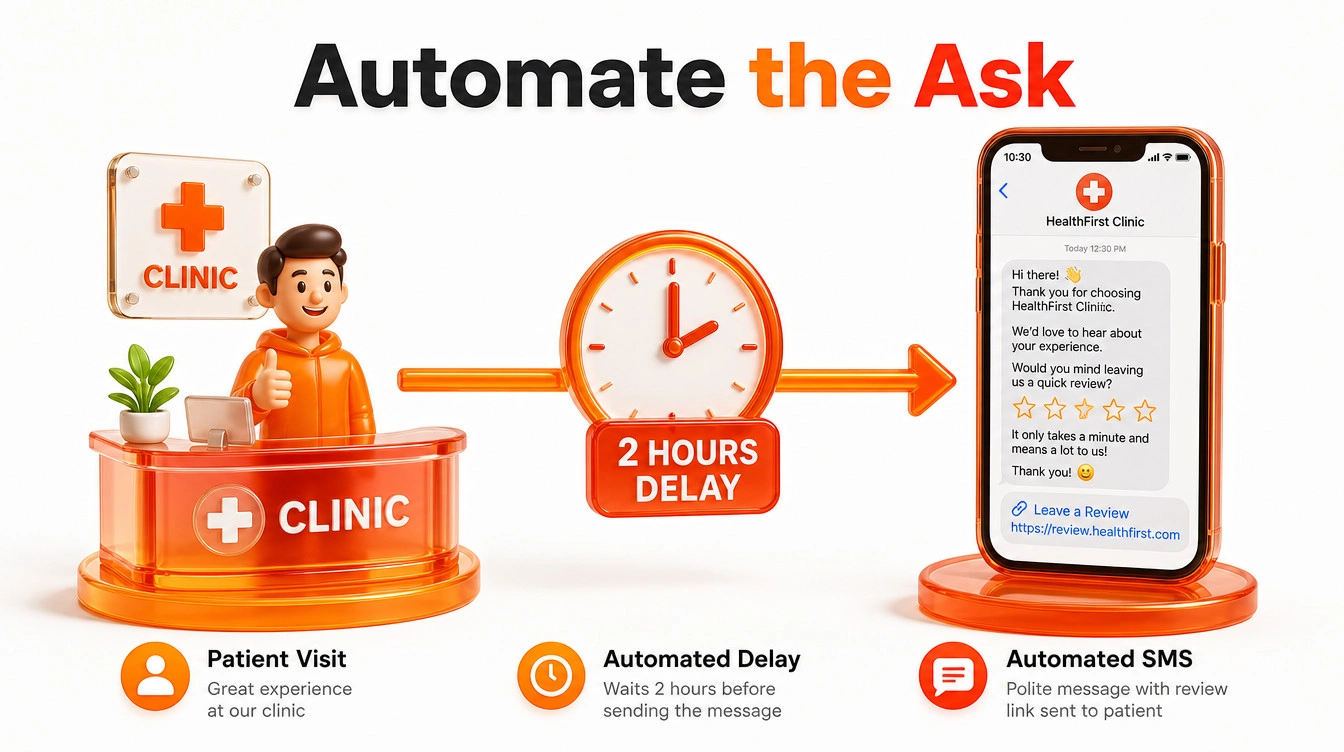
You can automate this by sending a polite SMS or email 2 hours after their appointment containing a direct link to your Google Business Profile review page.
How to Respond to Reviews (Without Violating Privacy)
Your responses to reviews are not just for the person who wrote them; they are for the hundreds of prospective patients reading them to see how you handle feedback. responding signals to Google that your profile is actively managed.

However, patient confidentiality is paramount. You must never confirm a patient’s identity or medical treatment in a public forum.
Responding to Positive Reviews
- Wrong (Privacy Violation): “Thanks John! We were so happy to help clear up that nasty skin infection for you today.”
- Right (Compliant & Professional): “Thank you so much for your kind words, John. Our team is dedicated to providing compassionate care, and we are thrilled you had a positive experience at our clinic.”
Responding to Negative Reviews
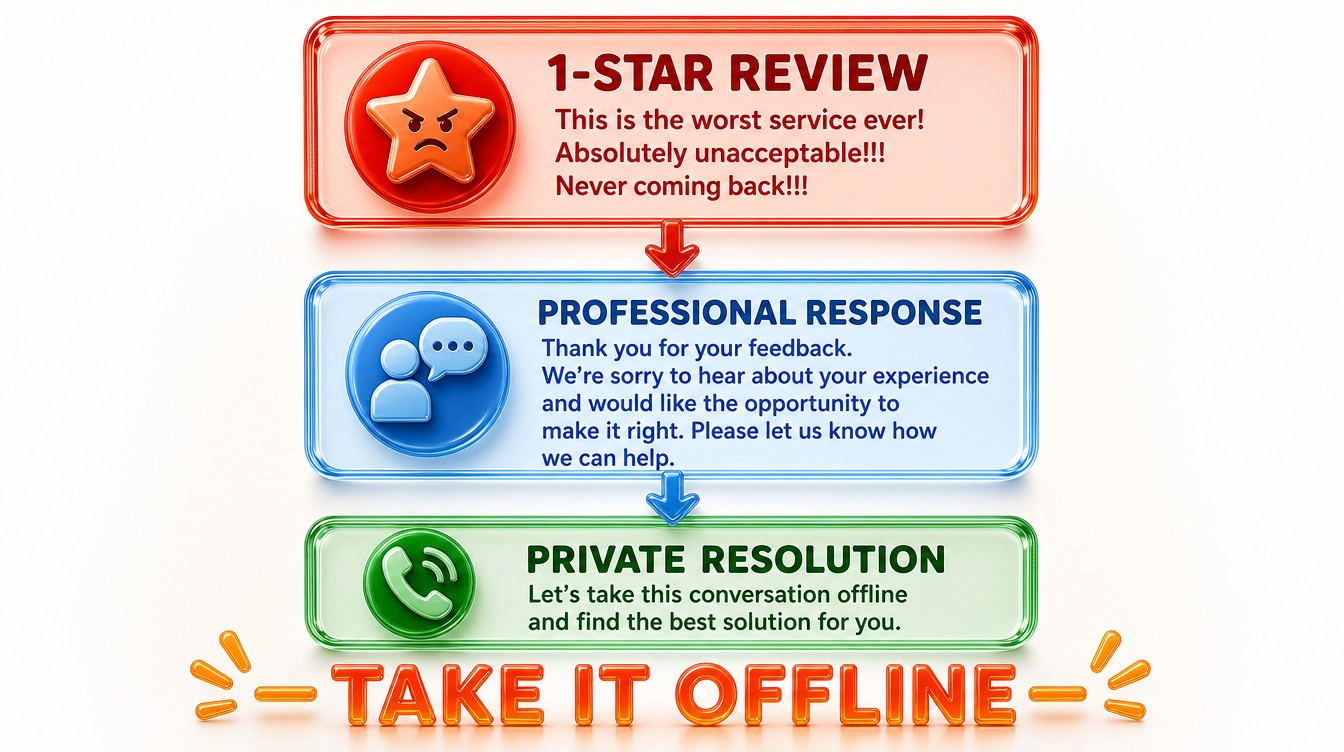
Negative reviews happen. Do not panic, and do not get defensive online. A professional response can actually turn a negative review into a trust-building asset.
- Step 1: Acknowledge and Validate (Without confirming they are a patient).
- Step 2: Take it Offline immediately.
Compliance-Safe Response Template: “Thank you for sharing your feedback. We take all concerns regarding patient care and wait times very seriously. Due to medical privacy policies, we cannot discuss specific details online. We invite you to contact our clinic manager directly at [Phone Number] so we can investigate this matter and make things right.”
This response shows future patients that you are reasonable, professional, and fiercely protective of privacy.
Conclusion
Useful patient reviews for local clinic visibility must earn trust before it earns traffic. Keep clinical review, privacy, technical quality and current compliance advice inside the publishing process. Measure whether the website helps suitable patients make informed contact, not whether it produces the largest possible audience.
Frequently Asked Questions
Can patient reviews for local clinic visibility guarantee rankings, AI citations or patient enquiries?
No. Search visibility depends on competition, platform changes and the quality of the underlying information. The responsible goal is clearer discovery and more useful patient processes, not guaranteed outcomes.
Who should review medical website content?
Use an accountable reviewer with appropriate clinical knowledge. Current advertising, professional and privacy requirements should be checked with qualified advisers for the markets where the clinic operates.
What should a clinic measure?
Track qualified appointment enquiries, useful local visibility and successful patient processes while minimising sensitive data collection and documenting the limits of attribution.
For the delivery scope behind this issue, see Ulement’s technical SEO service.